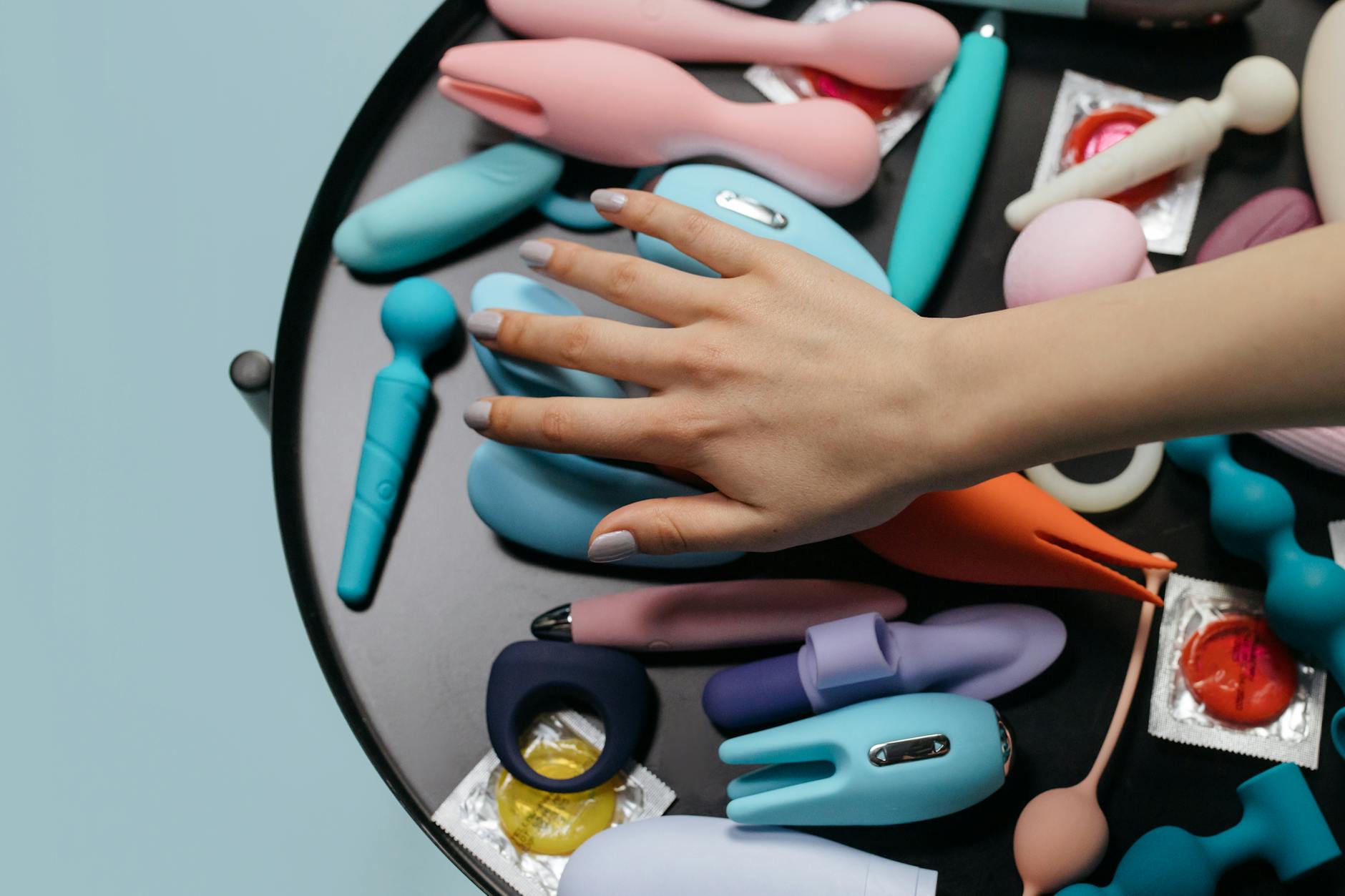
The anxiety-arousal trap is real
Here's what happens when anxiety moves in: your nervous system flips into protection mode. Blood pools toward your core organs. Your pelvic floor tightens. The signals that normally build arousal get crowded out by cortisol and adrenaline. You're not broken. Your body is doing exactly what it's designed to do when it thinks you need to fight, flee, or freeze.
The problem is that this survival state and sexual pleasure are neurologically incompatible. You can't be both defended and open at the same time.
For years, the standard advice was "just relax" or "meditate more." Both miss the point. Meditation doesn't teach your pelvic floor to release. Breathing exercises don't rewire the nervous system's threat response in real time. What works is a tool that can interrupt the anxiety cycle by giving your nervous system something specific to focus on. Something that feels good but doesn't demand performance. That's where a lemon vibrator changes everything.
Why pressure works when vibration alone doesn't
Most vibrators give you speed and intensity. They're stimulating, but they can actually amplify nervous tension if you're already wound tight. A lemon clitoral vibrator works differently because of how it's designed. Suction creates sustained pressure instead of rapid vibration. Your nervous system reads this as calming instead of activating.
Think of it like the difference between being tapped on the shoulder versus held. Tapping activates your startle response. Holding signals safety. A lemon sucker mimics that holding sensation while still delivering pleasure. Your brain gets permission to focus on sensation instead of threat.
The pressure also activates the parasympathetic nervous system, the part responsible for rest and recovery. When you're anxious, your sympathetic nervous system (fight or flight) is running the show. Suction pressure helps flip that switch back toward "it's safe to relax."
How a lemon vibrator bypasses the performance trap
Anxiety doesn't just kill arousal. It kills permission. When your mind is spinning through worry, the last thing you want is to feel like you're failing at sex. That's where the pressure-based design of a lemon clitoral vibrator becomes crucial. It doesn't require you to build arousal in a linear way. You don't have to get progressively more turned on or hit benchmarks. You can start exactly where you are, in a state of tension, and let the sensation gradually teach your body that pleasure is possible anyway.
This matters because anxiety often comes with shame about not being "ready." You feel like you should be able to just flip a switch. A tool that works with your nervous system instead of requiring you to fight it removes that performance pressure. You're not trying to become aroused. You're noticing what happens when you give your body a specific, sustained sensation to focus on.
Many people I work with find that starting with a lemon vibrator when they're anxious actually retrains their nervous system over time. After a few sessions, your brain begins to associate the sensation with safety and pleasure, not with the demand to "perform."
The tension-release cycle
When your pelvic floor is chronically tight from anxiety, normal sexual touch can feel uncomfortable or numb. You need something that can reach through that tension and begin to coax release. The sustained pressure from a lemon sucker does this in a way that's less jarring than rapid vibration.
Here's the practical rhythm: start with the lowest sensation setting. Let the pressure build. Your pelvic floor will eventually soften because it's being given a reason to. The sensation feels good. The threat response isn't being triggered. Your body gets permission to release its grip.
This cycle, repeated a few times over a week or two, actually reprograms the nervous system's default state. You're training your body that sensation plus safety equals pleasure, not sensation plus threat equals overwhelm.
Starting when you're in the thick of it
If you're currently in an anxiety spiral, the best time to use a lemon clitoral vibrator is when you have 15 to 20 minutes of actual quiet. Not when you're stealing five minutes and then rushing. The nervous system needs time to downregulate. Rushing undermines the whole point.
Set up the space to feel calm: dim light, no phone, something warm nearby if you like. Use water-based lubricant (anxiety often means less natural lubrication, so don't skip this). Start on a lower intensity setting. The goal is not orgasm. The goal is to notice what your body can feel when it's not in threat mode. Some people have their first satisfying sensation in months during these sessions. Some people just feel calmer afterward, without orgasm. Both are wins.
If you're working with a partner, it helps to name this openly: "I'm using this tool to help my nervous system reset when anxiety is high. It's not about what you can or can't do. It's just one tool in our toolkit." That conversation removes the shame that often comes with needing extra support.
The science of what's happening
When you use a lemon vibrator under anxiety, three things are shifting neurologically. First, the sustained pressure activates sensory nerve endings that relay "safety" signals to the brain instead of threat signals. Second, the focal point of attention shifts from your anxious thoughts to physical sensation. Your prefrontal cortex (the thinking brain) gets quiet and your sensory cortex lights up. Third, over time, the pairing of the sensation with pleasure actually rewires your nervous system's threat response. Anxiety doesn't disappear, but its grip on your sexuality loosens.
This isn't magic. It's basic neuroscience. The nervous system learns through repetition. If you've been pairing arousal with anxiety for a long time, that neural pathway is strong. You can build a new one by pairing sensation with calm and pleasure instead.
When to ask for help
If anxiety around sex persists even with tools and time, it's worth talking to a therapist, particularly one trained in somatic work or trauma. Sometimes sexual anxiety is connected to deeper patterns around safety or past experiences. A lemon vibrator can absolutely help, but it works best alongside professional support when the anxiety is severe.
Similarly, if you're on medication that affects arousal (SSRIs and anxiety meds often do), talk to your prescriber about timing or adjustments. A tool can help, but medication conversations are separate and important.
The reset you actually need
Anxiety will come back. Stress is part of life. But what a lemon sucker teaches your nervous system is that pleasure is still possible even when you're tense. You don't have to feel calm first. You don't have to be "fixed." You can feel anxious and also feel good. That's the shift that changes everything.
Frequently asked questions
How does a lemon vibrator differ from other clitoral vibrators for anxiety?
Most vibrators rely on speed and intensity, which can actually activate the nervous system further when you're already tense. A lemon clitoral vibrator uses suction, which creates sustained pressure. This pressure signal is interpreted by your nervous system as calming rather than activating. It's the difference between a tap and a hold. For anxiety relief, that distinction matters significantly.
Can I use a lemon sucker if I'm already on anxiety medication?
Absolutely. Anxiety medication and a lemon vibrator work through different mechanisms. Medication helps regulate neurotransmitters. A vibrator helps calm the nervous system through sensation. They complement each other. The only thing to watch is that some anxiety medications can affect arousal or lubrication, so you might need extra lubricant. That's a normal adjustment, not a sign something's wrong.
How long before I notice a difference in my anxiety-related sexual tension?
Some people feel a shift after a single session. Others notice gradual change over two to three weeks of regular use. The key word is regular. Once or twice a month won't be enough to retrain the nervous system. Three to four times a week, even for 15 minutes, is what usually produces noticeable change. Think of it like physical therapy for your nervous system.
What if I can't orgasm even with a lemon clitoral vibrator when I'm anxious?
Orgasm might not happen, and that's completely okay. The goal when you're in an anxiety cycle is not to reach climax. It's to teach your body that sensation and safety can coexist. If you get relaxation without orgasm, that's success. The orgasm often comes later, once your nervous system starts trusting that it's safe to go there.
Should I use a lemon vibrator alone or with a partner when I'm dealing with anxiety?
Start alone. When anxiety is high, the presence of another person, even a partner you trust, can add a layer of performance pressure. Solo time lets you focus purely on sensation without any sense of being watched or expected to respond. Once your nervous system is more settled, you can experiment with including a partner if you want to. There's no rush.
Is it normal to feel emotional after using a lemon sucker for anxiety relief?
Very normal. When the nervous system releases tension it's been holding, sometimes emotions come with it. You might feel tearful, lighter, frustrated, or just tired. All of that is your nervous system literally unwinding. Don't judge it. Just let it happen. Drink some water, rest, and notice what shifts over the next few hours.
Moving forward
Anxiety and pleasure don't have to be enemies. A lemon vibrator won't cure anxiety, but it can create a pocket of safety where your nervous system learns that pleasure is still possible. That retraining, over time, weakens anxiety's grip on your sexuality. You're not fighting your nervous system. You're giving it a better option than the default panic response.
Start small. Start alone. Give it time. Your body knows how to feel good. Sometimes it just needs the right signal to remember.