Let's talk about what actually happens down there
Vaginal birth changes sensation. This isn't a failure of your body. It's biology doing exactly what it's designed to do. The tissues stretch, the pelvic floor works overtime, and then everything needs time to find its way back to baseline. Except baseline often feels different, and that's completely normal.
Here's the part nobody warns you about clearly: sensitivity often dips before it climbs back up. You might feel numb in spots where you used to feel everything. Or sensation might be weirdly uneven. The clitoris itself rarely loses nerve function, but the surrounding tissue does swell, and that swelling can muffle sensation temporarily.
The good news? This usually resolves on its own. Better news? Lemon vibrators, particularly air-suction clitoral vibrators, can actually speed up the reconnection process and rebuild sensation faster than waiting alone.
Why sensation changes after vaginal birth
Three overlapping things happen.
First, the vaginal tissue sustains microtrauma during delivery, even without tearing. The skin gets stretched beyond its normal range for hours. That triggers inflammation, which is protective but also temporarily desensitizing. The inflammation usually peaks around day three to five postpartum, then gradually resolves over weeks.
Second, the pelvic floor gets exhausted. It's been contracting hard for potentially hours, and then it needs to relax and rebuild. That fatigue is similar to what your legs feel after running a marathon. Overstimulation of any nerve group can lead to temporary numbness or altered sensation. This typically settles within four to six weeks as the pelvic floor recovers.
Third, hormones. Estrogen and progesterone drop dramatically after birth. Estrogen specifically affects tissue thickness and blood flow to genital tissue. Lower estrogen means less engorged tissue, which means muted sensation. Breastfeeding delays estrogen recovery further, so if you're nursing, you might notice sensation stays flatter longer.
The clitoris itself remains intact neurologically. The issue isn't damage. It's swelling, fatigue, and hormonal flux creating a temporary sensory fog.
When it's safe to explore pleasure again
Most healthcare providers suggest waiting six weeks postpartum before resuming penetrative sex. But clitoral stimulation is typically safe much earlier, especially if you had an uncomplicated vaginal delivery without tearing.
Honestly though, safety isn't the only question. Your actual readiness matters more than the calendar. You should feel mostly healed, emotionally settled, and genuinely interested. Not obligated. Not "supposed to." Actually interested.
If you had a tear or episiotomy, wait for that site to be fully healed and get cleared by your provider. If you're bleeding heavily or experiencing pain beyond mild tenderness, wait. If you're touched out from constant infant contact, it's okay to wait weeks longer. There's no deadline here.
How lemon clitoral vibrators help rewaken sensation
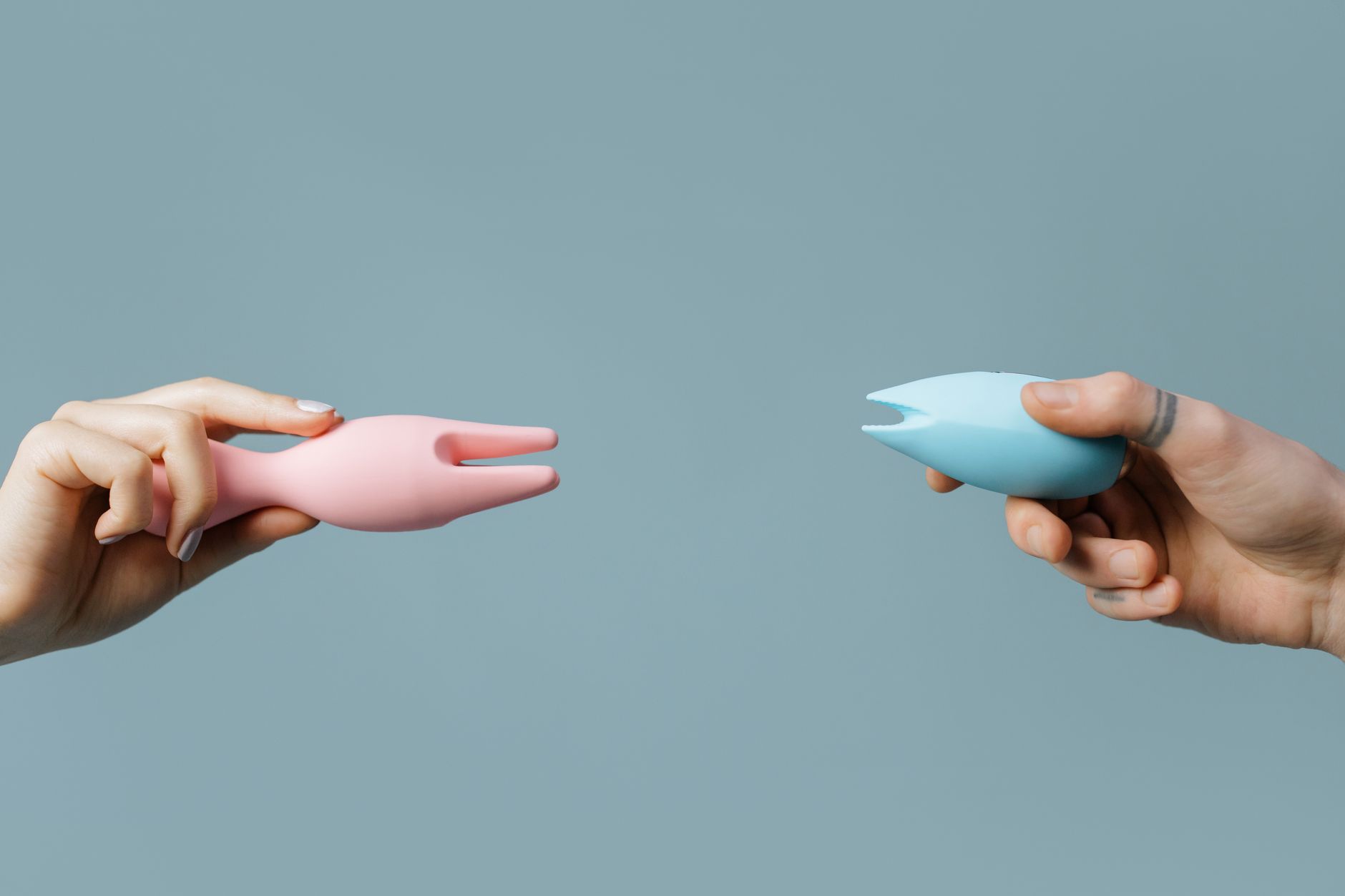
Lemon vibrators work differently than traditional vibrators. The suction mechanism on devices like the Lem creates gentle, pulsing pressure that stimulates without requiring direct friction. That distinction matters postpartum.
When tissue is swollen and sensation is muted, direct vibration can feel overwhelming or numb. You might need to turn the intensity up so high that it becomes uncomfortable. Suction-based stimulation bypasses that problem. The pressure wakes up nerve endings gradually and gently. It's like nudging a sleeping system back awake rather than shocking it.
Here's the practical side: start on the lowest suction setting. Pattern one or two. Budget fifteen to twenty minutes. The goal isn't orgasm. It's sensation discovery. You're literally relearning what feels good on your postpartum body. Many people find that gentle suction stimulation rebuilds sensation awareness much faster than vibration alone.
The other reason lemon sexual toys help? They give your partner(s) or you a sense of agency. Pleasure doesn't have to wait until everything feels "normal" again. You can explore sensation at your own pace, on your own terms, without pressure. That psychological shift alone accelerates recovery.
The emotional piece (it's bigger than you think)
Postpartum bodies often feel foreign. You've spent nine months watching your body transform for someone else. Then you push a human out of it. The postpartum period can leave you feeling disconnected from pleasure entirely, not because of sensation changes but because your body doesn't feel like yours anymore.
Many of my clients describe early postpartum intimacy as happening to them rather than with them. By the time they're physically healed, the emotional disconnection has deepened. That's where lemon vibrators become genuinely therapeutic. Using one alone, on your own terms, rebuilds ownership. You're not waiting for a partner or recovery. You're actively reconnecting with your own pleasure.
This matters for your relationship too. If you rebuild pleasure solo first, you return to partnered intimacy from a place of confidence rather than anxiety. You already know what feels good now. You can guide your partner, or you can use the Lem together. The pressure lifts.
Practical tips for postpartum exploration
Start with water-based lubricant. Postpartum tissue is often drier than usual, especially if breastfeeding. Lubrication isn't optional. It's essential.
Wear loose clothing or nothing at all. Pressure on healing tissue can be uncomfortable. Give yourself space.
Set a time when you're not touched out. If you've been holding an infant all day, you might not want stimulation that night. That's valid. Choose a moment when you feel physically present in your own body.
Don't aim for orgasm as the success metric. Orgasms might feel muted or delayed for weeks. That doesn't mean something is wrong. You're measuring success by sensation awareness, not by climax. Did you feel something? Anything? That's a win.
If you notice pain, numbness that doesn't improve after eight weeks, or sensation changes that worry you, talk to your OB-GYN. Nerve damage during delivery is rare but possible. Most postpartum numbness resolves naturally, but your provider can rule out complications and offer targeted pelvic floor therapy if needed.
The timeline, roughly
Weeks one to two: tissue is very swollen. Clitoral sensation is often minimal. Focus on rest, not pleasure.
Weeks three to four: swelling starts to decrease. Gentle exploration might feel good. This is when many people find suction-based lemon vibrators helpful. Low pressure, short sessions.
Weeks five to eight: sensitivity usually improves noticeably. You might feel more like yourself. This is also when hormonal estrogen recovery accelerates if you're not breastfeeding, or stalls if you are.
Weeks nine to twelve: most people feel baseline restored or close to it. Some people's sensation remains slightly different permanently, which is fine. It's still pleasurable, just different.
If you're breastfeeding, add four to twelve weeks to this timeline depending on how long you nurse. Estrogen stays suppressed while prolactin is elevated.
None of this is rigid. Your body is individual. Some people feel great at six weeks. Others need twelve. Both are normal.
When to reach out for support
Postpartum is also a peak time for touch aversion and anxiety. If you're interested in pleasure but anxiety is blocking you, <a href="/blog/how-to-use-lemon-vibrators-when-dealing-with-touch-aversion-and-anxiety">how to use lemon vibrators when dealing with touch aversion</a> has specific strategies.
If your body feels numb more broadly, not just genitally, that might signal postpartum depression. That's a medical conversation, not a pleasure problem. Talk to your provider.
If your relationship tension increased during pregnancy or birth, <a href="/blog/how-lemon-vibrators-improve-intimacy-when-rebuilding-connection-after-extended-time-apart">rebuilding connection after time apart</a> can help you and your partner realign.
Your body just did something extraordinary. You deserve patience, gentleness, and the space to rediscover pleasure at your own pace. Lemon clitoral vibrators can be part of that journey.
FAQ: postpartum sensitivity and pleasure
When is it actually safe to use a vibrator after vaginal birth?
Most providers clear people for external clitoral stimulation around week four, provided there's no active bleeding and you feel ready. Penetrative toys should wait until your six-week checkup and provider clearance. If you had significant tearing or an episiotomy, ask your provider specifically about timeline. There's no rush. Your body will tell you when it's ready.
Why does my clitoris feel numb even though the rest of me feels okay?
Swelling, hormonal shifts, and pelvic floor fatigue can all muffle clitoral sensation even when you're healing fine overall. The clitoris has thousands of nerve endings, and they become temporarily less reactive when surrounding tissue is inflamed. This almost always resolves within six to twelve weeks. If numbness persists beyond that, mention it to your gynecologist. Rarely, nerve damage during delivery needs attention.
Can I use a lemon sucker vibrator if I had stitches?
Yes, but gently. Wait until stitches dissolve (usually two to three weeks) and the site feels basically healed. Start with suction-only stimulation without any insertion. The Lem is external only, so it's safer than penetrative toys. Still, if any pressure on the area causes pain, wait longer. Your body will let you know.
Why does pleasure feel boring or muted compared to before pregnancy?
Three reasons commonly overlap. Hormones are still stabilizing, especially if breastfeeding. Sensation is genuinely dulled by swelling and pelvic floor fatigue. And emotionally, you might be touched out, sleep-deprived, and disconnected from your own body. All three require time, patience, and sometimes gentle pleasure exploration. Muted sensation usually sharpens significantly by month three. Emotional reconnection might take longer.
My partner wants to resume sex but I don't feel ready. How do I explain that without making them feel rejected?
Separate the two conversations. "My body is healing and sensation feels weird" is different from "I want us to reconnect." You can want both things and still need more time. Suggest exploring solo first with a lemon vibrator. That communicates that pleasure interests you. You're just rebuilding it independently. Invite them to watch if that feels okay. Or explore together non-sexually first, lots of touching and presence without expectation of penetration or orgasm. Rebuilding takes two. It shouldn't feel like obligation.
Is it normal for my postpartum sensitivity to be permanently different?
Yes. Some people's sensation returns exactly to baseline. Others find it shifts slightly, often becoming more localized or responsive to different kinds of stimulation. That's not damage. It's your body integrating a major physical experience. The clitoris remains fully functional. Pleasure is still there. Sometimes it just lives in a slightly different neighborhood than it used to.
Your body just accomplished something genuinely extraordinary. Pleasure will return. Be patient with yourself. Hello Nancy is here whenever you're ready.