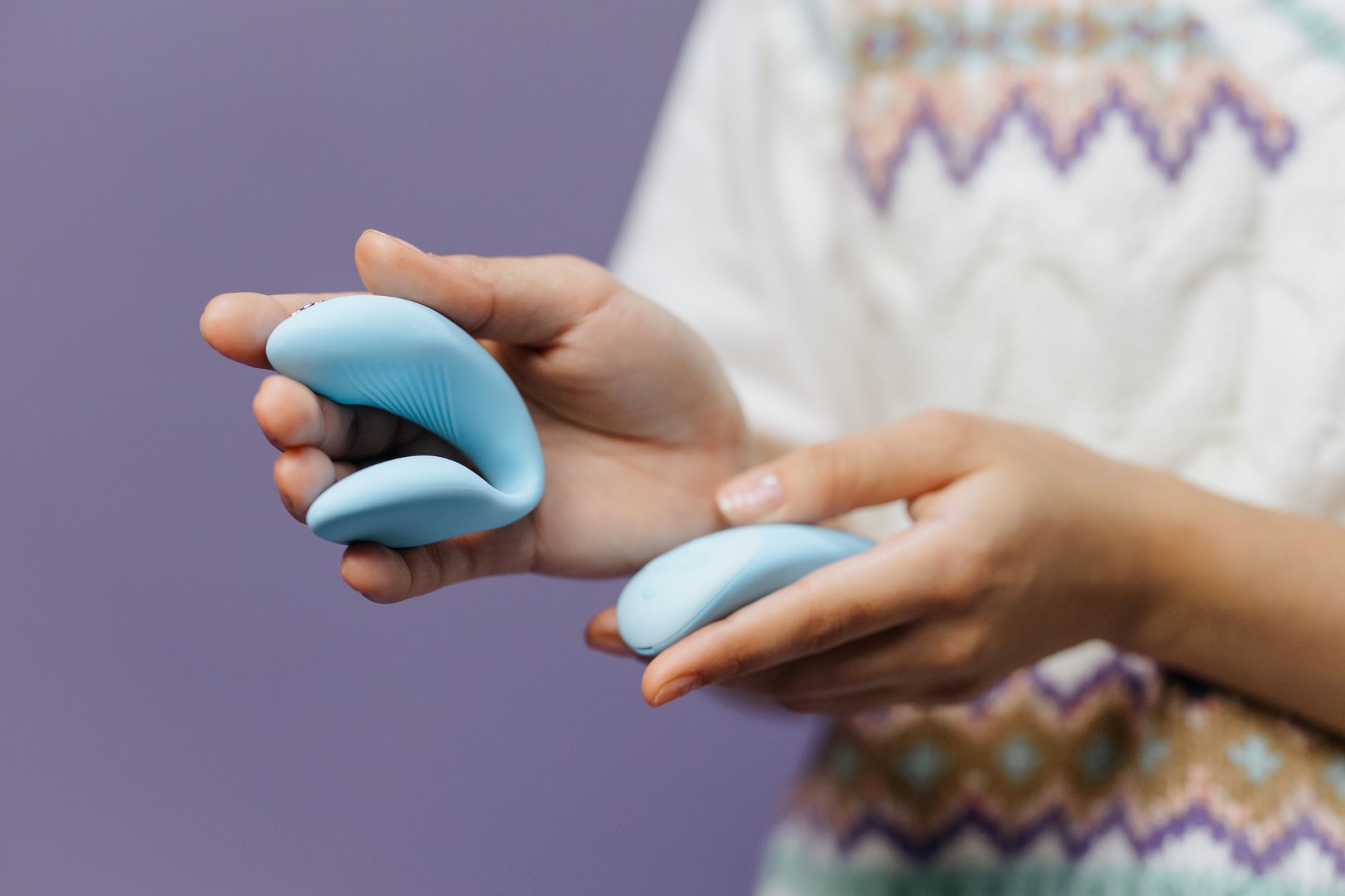
The thing about solo pleasure is it gets lonely
Here's what no one tells you: learning your body alone with a lemon vibrator can feel deeply private and separate from your relationship. You discover what works, what rhythm makes your nervous system hum, what pressure feels best. And then what? You close the door, wash up, and rejoin your partner as though you've been mentally present the whole time.
Except you haven't been. And they feel it.
This isn't a problem with the vibrator. It's not about you being "too independent" or your partner being "insecure." It's about the gap that forms when one person in a couple is experiencing profound pleasure privately while the other person isn't included, isn't aware, doesn't know what's changed. That gap becomes its own kind of distance.
Why this gap happens (and it's not what you think)
Many people assume that bringing toys into solo time will make partnered sex feel inadequate by comparison. That's partially true. But the bigger issue is isolation. You've learned something about yourself, unlocked a door to your own pleasure, and your partner is still standing outside.
They don't know that you now prefer lighter touch at the start. They don't know that suction feels different than traditional vibration. They don't know that you've discovered you need fifteen minutes of buildup instead of five. Your body has evolved, but your communication hasn't kept pace.
The guilt that sometimes follows solo exploration with toys often isn't about pleasure itself. It's about the secret. Secrets compress intimacy. They make partners feel excluded, untrusted, or unimportant. And that feeling is contagious.
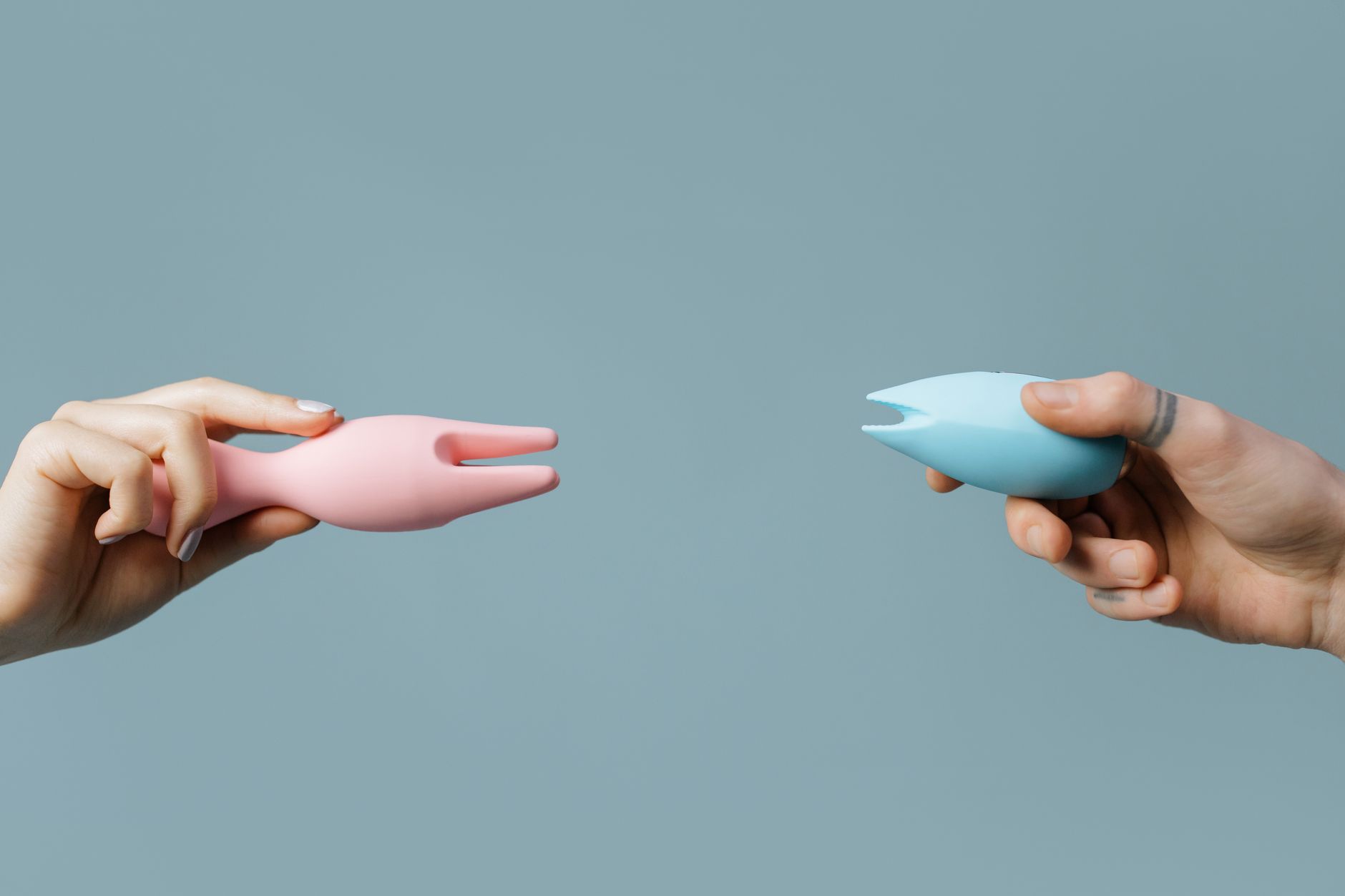
Photo by DRT.fm . on Pexels
The conversation that bridges the gap
You need to tell your partner. Not as a confession, but as information.
The best opener isn't "I've been using a vibrator." It's "I've discovered something about myself that I want to share with you." That's an invitation, not an announcement. It positions your solo exploration as something that can deepen your connection, not threaten it.
Then be specific. "I've been experimenting with a lemon clitoral vibrator, and I've learned my body responds really well to suction and build-up time. I want you to know because it changes what actually works for us together."
Notice what that does. It reframes the toy from "something I do alone" to "something that affects us." Because it does. When your partner understands your pleasure map, they stop guessing. They stop performing pleasure that doesn't land. They stop feeling like they're failing.
If your partner responds with jealousy or rejection, that's a separate conversation about insecurity or shame around toys. That matters. It deserves real attention. But it's not a reason to keep the information hidden. Secrets always cost more than honesty.
Three ways to include them (without abandoning solo time)
Solo exploration shouldn't stop. It's where you learn. But it can coexist with shared exploration. Here's how.
1. Use the vibrator together, at first without pressure. Let them watch. Let them see what makes you respond. This isn't performance sex. It's education. Tell them what you're feeling. "Right now the vibration at pattern three is making my whole pelvic floor tighten. If you touched me here with your hand at the same time, I think that would amplify it." You're teaching them your body. They get to be present for the discovery instead of locked out.
2. Build it into foreplay, not as a replacement. If you've been using your lemon vibrator solo, the temptation is to bring it out during partnered sex as a shortcut to orgasm. That can work, but it can also feel like you're checking a box. Better: use it as part of a longer buildup that includes touch, connection, conversation. The vibrator becomes a tool in a wider toolkit, not the main event.
3. Create a language together about what changed. After solo exploration, your body's needs shift slightly. You need more time. You need different pressure. Your partner needs to know that these aren't changes they caused. Say it out loud. "My body is responding differently now. I think it's from learning more about what I like. Can we experiment together?" That request is vulnerable and collaborative at once.
What happens when solo pleasure and partnered sex aren't the same thing
They often aren't. You might have wild, intense solo sessions with your lemon vibrator that feel completely different from what you want with your partner. That's normal and healthy. Not all pleasure is designed to be shared.
But your partner should know it exists. Should know that solo sex is part of your landscape. Should understand that wanting time alone with your body isn't a rejection of them. And you should feel secure that using a vibrator alone doesn't damage your relationship, as long as the intimacy and communication with your partner stay intact.
The couples I work with who navigate this best treat toys and solo time as neutral information, not secrets. "I had a good solo session this morning" becomes as mundane as "I went for a run." It's not hidden. It's not performed as though it never happened. It just is.
That transparency actually makes partnered sex better, because neither person is carrying the weight of an unspoken experience.
The anxiety piece (and why it matters more than you think)
Most people feel some blend of shame and anxiety when introducing toys or solo exploration. If you're experiencing that, be honest about it. "I feel a little nervous telling you this because I worry you might feel like you're not enough," is a sentence that dissolves half the tension right there.
Your partner likely isn't going to feel threatened. They might actually feel relieved. Many partners want their partner to use tools that help them feel good. They just want to be included in that knowledge, not surprised by it later.
If they do feel threatened, that's information worth taking seriously. How to use lemon vibrators when your partner isn't interested in toys addresses that specific dynamic. But it starts with the conversation.
When reconnection means trying something new together
Some couples use solo exploration as a springboard for shared exploration. You learn what you like alone. Then you bring your partner in and teach them. Then you both discover new things together that neither of you would have found alone.
This is where things get interesting. Your partner might surprise you. They might know your body better than you realized once they understand what you're looking for. A lemon vibrator that felt perfect solo might feel transcendent when your partner guides it. The pressure, the timing, the combination with their touch. Everything changes.
That only happens if you close the gap. If you make solo pleasure something you talk about instead of something you hide.
Reconnecting when things have felt distant
If solo exploration has created distance in your relationship, the fix isn't to stop using toys. It's to bring your partner back into the picture. Not into every session, but into the knowledge of it.
How to use lemon vibrators when arousal feels disconnected from intimacy with your partner goes deeper into this dynamic. But the core answer is the same: information and invitation. Tell your partner what's happening. Invite them to be part of the conversation, even if they're not part of every solo session.
The best relationships I've worked with aren't the ones where both partners experience identical pleasure or want sex at the same frequency. They're the ones where both partners know what the other person needs, respects it, and stays engaged with it. That requires talking about toys, solo time, and changing bodies with the same openness you'd use for anything else that matters.
Your pleasure is worth protecting. So is your connection. Both things are possible at once.
People also ask
Is it normal to prefer vibrators to your partner?
Yes. Vibrators offer consistent, predictable stimulation that hands can't replicate. Your body might prefer that for solo sessions while still loving connection with your partner for other reasons. The two things aren't in competition. Solo pleasure often has nothing to do with your relationship satisfaction.
Should I tell my partner I'm using a lemon vibrator?
Yes, eventually. The timeline depends on your relationship dynamic, but secrets about pleasure tend to compound into bigger intimacy problems. Starting with something like "I want to share something I've discovered about my body" is less loaded than a surprise discovery later.
Will using a vibrator alone make partnered sex feel boring?
It might initially, because vibrators can deliver sensations hands can't match. But using toys together often makes partnered sex more interesting, not less. You're working toward the same goal with better information. The boring part usually comes from silence and shame, not from the vibrator itself.
How do I bring this up without my partner feeling insecure?
Frame it as information about you, not a comparison to them. "I've learned something about my body that I think could help us" is different than "you're not giving me what I need." Lead with curiosity and invitation, not criticism.
Can couples use a lemon vibrator together if one person prefers it solo?
Absolutely. You can have solo sessions for exploration and partnered sessions for connection. The key is that both of you know about both. No hidden use, no surprises. Just different contexts for different kinds of pleasure.
What if my partner wants to use the vibrator on me but I prefer to use it myself?
That's a boundary worth communicating clearly. "I love when you're involved, but for this I need to guide it myself" is completely legitimate. Your partner can be present, can touch you elsewhere, can participate without controlling the vibrator. Pleasure doesn't require perfect equivalence of roles.
The bottom line
Solo exploration with a lemon vibrator is healthy. Sharing that knowledge with your partner is even healthier. The gap between the two isn't inevitable. It's just a conversation waiting to happen. Start it honestly, stay curious about what your partner's experience is, and remember that vulnerability usually leads to deeper connection, not less.
Your pleasure matters. Your partnership matters. Both can thrive when you stop keeping them separate.