Let's talk about the trade-off nobody warns you about
You went on antidepressants. Your mood lifted. Your anxiety dropped. You felt like yourself again. And then something else flattened. Pleasure stopped landing the way it used to. Orgasms became distant, harder to reach, or sometimes disappeared entirely. You're not broken. Your medication is working exactly as it's supposed to. It's also numbing sensation in ways your doctor probably mentioned in passing but didn't really explain.
Here's what I need you to know first: this is temporary, manageable, and deeply common. And lemon vibrators like the Lem can actually help you reclaim sensation while you stay on medication that's genuinely helping your mental health.
How antidepressants change physical sensation
Most antidepressants work by increasing serotonin availability in your brain. That's helpful for mood. But serotonin also regulates how your nervous system processes touch, arousal, and physical pleasure. When serotonin levels shift, so does sensation.
Here's what happens in the body: SSRIs (selective serotonin reuptake inhibitors) like sertraline or paroxetine can delay orgasm, reduce genital sensation, and lower desire. SNRIs (serotonin-norepinephrine reuptake inhibitors) sometimes feel less numbing, but they still affect arousal. Some people describe it as feeling like they're observing pleasure from behind glass. Sensation is there. It's just muted.
The clitoris itself isn't damaged. Your nerve endings are intact. Your brain's capacity for pleasure is still there. What's changed is the signal strength. It's like someone turned down the volume on physical sensation, and now ordinary touch doesn't register the way it did.
Why lemon vibrators work when nothing else does
Here's the thing about medication-related numbness: you need more stimulus to cross the threshold and actually feel something. Regular touch, gentle vibration, even partnered sex often isn't enough anymore. You're not broken. You just need a tool that delivers stronger, more concentrated sensation.
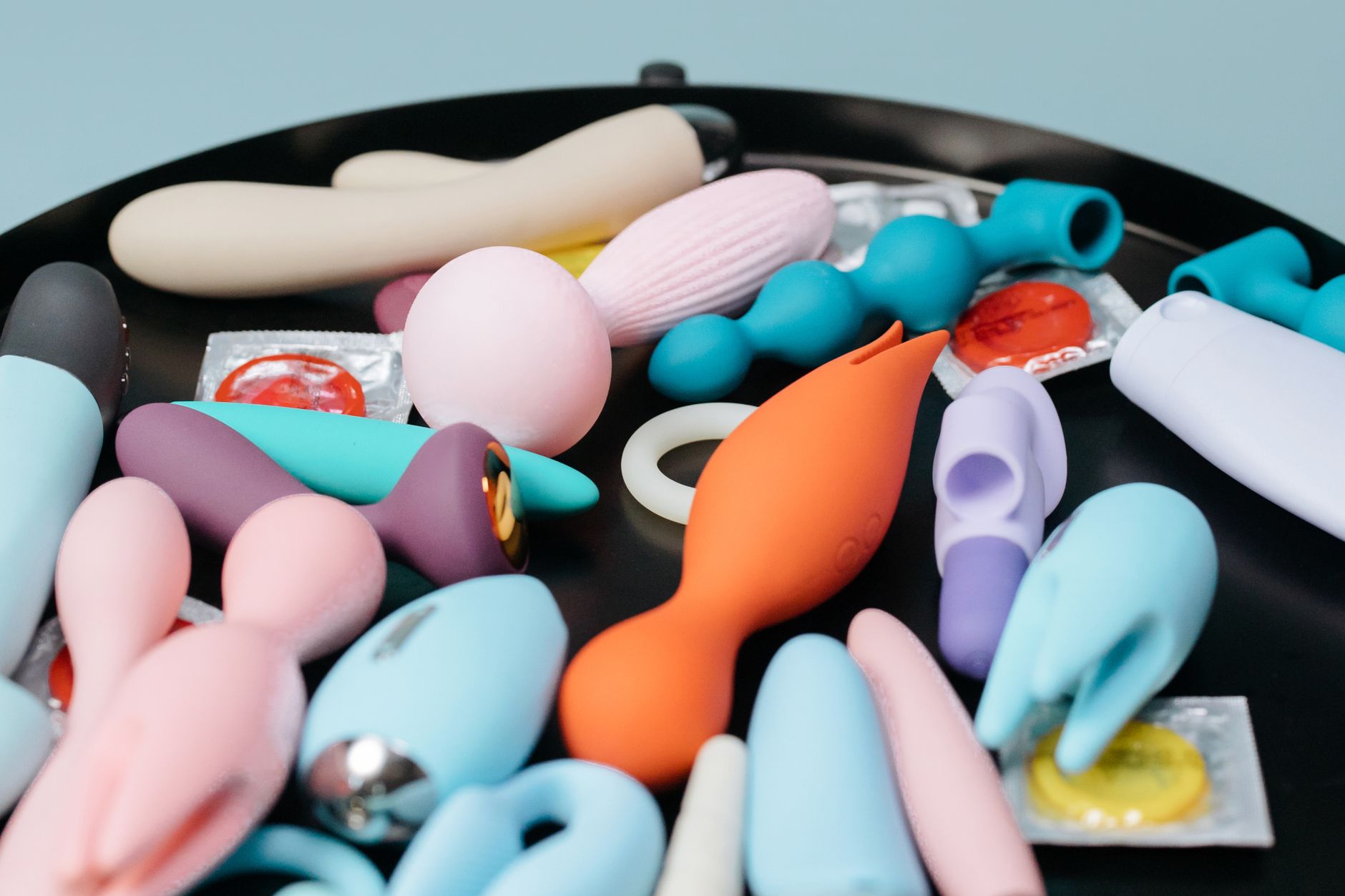
Lemon clitoral vibrators, especially ones that use suction or air-pulse technology, work because they don't rely on you feeling gentle vibrations. They create rhythmic pressure that stimulates nerve clusters directly. The Lem, for example, uses gentle suction to draw tissue slightly into the cup, then releases. That draw-and-release pattern triggers nerves in a way that bypasses some of the numbness.
Let me be direct: a lemon vibrator won't overpower medication side effects entirely. But it can create sensation strong enough to break through the fog. Many of my clients on antidepressants report that suction-style vibrators are the only way they can orgasm now. That's not a failure of their body. That's a tool that actually works for what's happening physiologically.
Starting with the right settings and pace
If you've been on antidepressants for a while and pleasure has gone quiet, jumping straight to high intensity can feel jarring or overwhelming. I usually recommend this sequence:
First week: Use your lemon vibrator on the lowest setting, alone, with no pressure to come. Spend 15-20 minutes just exploring sensation. Start on your thigh, stomach, breasts. Notice what you feel. Don't expect fireworks. You're training your nervous system to recognize sensation again.
Second week: Move to the clitoris. Stay on low settings. Spend time on this. The clitoris has thousands of nerve endings, and even when sensation is muted, direct contact usually registers faster than other areas. Use a water-based lubricant to reduce friction and make the sensation clearer.
Third week: If low intensity is working, try medium. Let your body adjust. Some people never need to go above medium. That's fine. You're chasing sensation, not performance.
By the fourth week, most people know what feels good. Some need higher intensity. Some never do. The point is building the pathway back to pleasure without rushing it.
Talking to your doctor and medication adjustments
Here's something important that most articles skip: tell your prescriber that sex is numb. Not in a vague way. Be specific: "I can't feel much during sex. Orgasms are delayed or not happening." Good psychiatrists and GPs take this seriously, because sexual side effects are one of the main reasons people stop taking antidepressants.
Your doctor might suggest a few options:
Timing adjustments. Taking your dose at night instead of morning, or a few hours after sex, sometimes helps sensation during the day. This doesn't work for everyone, but it's worth asking about.
Dose reduction. If you're on a higher dose and stable, a small decrease sometimes improves sensation without losing mood benefits. This has to be done gradually and under supervision.
Medication switch. Some antidepressants are less likely to cause sexual side effects. Bupropion, for example, often has fewer sexual side effects than SSRIs. But switching isn't always simple, and it might take weeks to see results.
Addition of another medication. Some doctors add something like bupropion or buspirone to counteract sexual side effects. Again, this takes time and monitoring.
The key: your mental health comes first. Don't stop or drastically change antidepressants hoping pleasure comes back. Work with your doctor on adjustments while you explore tools like lemon vibrators that help you feel something in the meantime.
Using a lemon vibrator with a partner when you're both frustrated
If you're in a relationship, medication numbness affects both of you. Your partner might feel rejected or confused. You might feel guilty that sex no longer works the way it did. That's a lot to carry.
Here's what helps: separate the conversation from the device. Don't introduce a lemon clitoral vibrator as "I need this because you're not enough" or "my body is broken." Instead: "My medication is affecting sensation. Let's use a tool that helps me feel something again. This isn't about you. It's about us being able to stay connected while I'm on something that helps my mental health."
Then actually use it together. Let your partner watch, or hold it, or just be present. Some partners feel more included when they're part of rebuilding sensation. Others do better when you use it alone first, then come back to them.
One more thing: patience matters here. If you're on antidepressants and using a lemon vibrator for the first time, orgasm might take 30 minutes. It might take longer. Your partner needs to know this isn't a quick fix. It's a tool that helps you get there. Setting expectations beforehand saves a lot of frustration.
When sensation is returning but feels weird
Sometimes, as antidepressants level out or you adjust medication timing, sensation starts coming back. But it doesn't always feel the way it did before. Orgasms might feel sharper, or more distant, or concentrated in one area instead of full-body. Some people say it feels like learning pleasure for the first time.
That's actually okay. Your body isn't broken. It's just adapted to medication and is now readjusting. A lemon vibrator can help you explore what this new version of pleasure feels like.
If sensation is returning but it's still muted, that's worth discussing with your doctor again. Sometimes a small adjustment helps more than a bigger one.
Realistic timelines and expectations
Let me be honest about what lemon vibrators can and can't do: they can help you experience pleasure despite medication numbness. They won't cure medication side effects. They won't make sensation feel exactly like it did before you took antidepressants. But they can bridge the gap between where you are now and where you want to be.
Most people see improvement in sensation within 2-3 weeks of consistent use. Some take longer. A few find that medication side effects are just too strong and eventually work with their doctor on a switch. That's valid too.
The bigger thing: you're not choosing between mental health and physical pleasure. You're using tools and strategies to have both. A lemon sucker isn't a sign you're broken. It's evidence you're willing to adapt and advocate for your own satisfaction. That matters.
FAQ: Using lemon vibrators while on antidepressants
Can I use a lemon vibrator if I'm still adjusting to my antidepressant?
Yes, but wait at least 2-3 weeks for your body to stabilize on the medication first. That's when side effects peak and then usually level out. Starting too early might make numbness feel worse because you're comparing to your pre-medication baseline. Give your nervous system time to adjust.
Will a lemon clitoral vibrator make sensation worse?
No. It stimulates sensation. What sometimes happens is that people expect too much too fast. If you use the highest intensity immediately, it might feel overwhelming or jarring. Start low and let your body adjust. Sensation usually improves or stays the same, not worsens.
How do I know if my medication is the problem or if something else is causing numbness?
Timing is the biggest clue. If numbness started after you began antidepressants, or got worse after a dose increase, medication is very likely the culprit. Other possibilities include stress, relationship issues, or other medications. If you're unsure, talk to your doctor. They can help you figure out what's actually happening.
Can I mix lube and my lemon vibrator safely?
Absolutely. Use water-based lubricant only. Silicone lube can degrade silicone toys. Water-based lube makes sensation clearer and reduces friction, which actually helps when you're dealing with numbness because you feel the vibration more distinctly.
Should I tell my partner I'm using a lemon vibrator for medication side effects?
That depends on your relationship and comfort level. If you're in a monogamous relationship and they notice, honesty usually helps. Framing it as "my medication affects sensation, and this helps me feel something" is different from hiding it. Some partners want to be involved. Others prefer privacy. Choose what feels right for you.
Will a lemon vibrator help if my antidepressant side effects never go away?
Yes. Some people find that medication side effects are permanent. For them, a lemon vibrator becomes part of their sexual routine long-term, not a temporary bridge. That's completely normal and nothing to feel sad about. Many people use vibrators routinely regardless of medication. It's just a tool that works for your body.
The bigger picture
Antidepressants save lives. They also change the body in ways that aren't always easy to talk about. Numbness during sex is one of those side effects that people often suffer through silently because there's shame around admitting it.
Here's my perspective as a relationship coach: your pleasure matters. Your mental health matters. These aren't opposing forces. You can take medication that helps your anxiety and depression and use tools like lemon vibrators that help you feel pleasure. Both are acts of self-care. Both deserve attention.
If you're struggling with medication side effects and sensation loss, reach out to your doctor first. Then explore tools that work for your specific body. A lemon clitoral vibrator isn't a last resort. It's a legitimate strategy for reclaiming sensation while you're on something that's helping your mind.