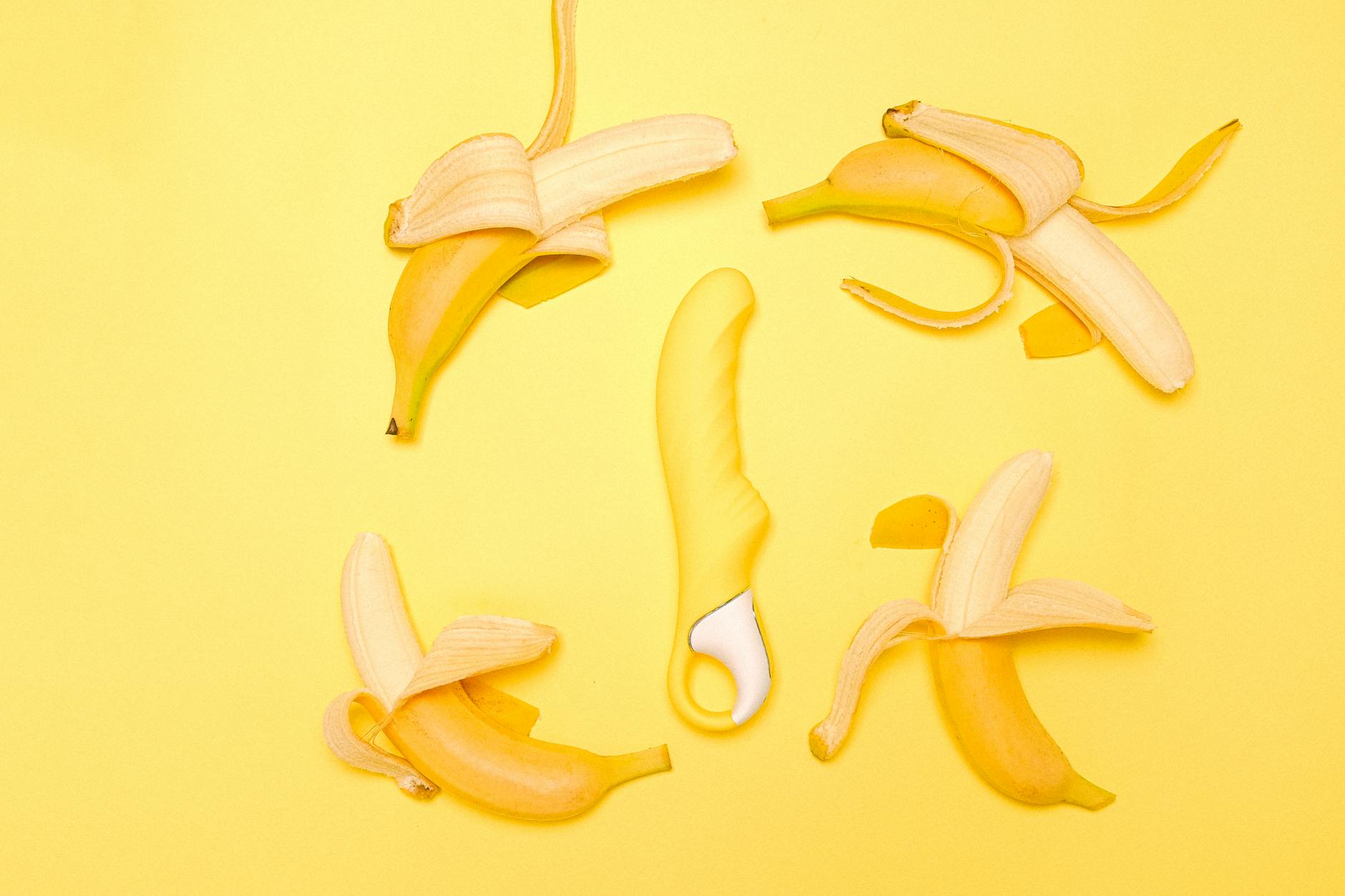
Here's what nobody tells you about pleasure after separation
Separation dismantles more than just a relationship. It cracks open your sense of safety, your trust in your own judgment, and sometimes your ability to enjoy anything physical at all. Many people I work with describe their sexuality as dormant after a marriage ends. Not gone. Dormant. And that distinction matters because dormant things wake up. You just need the right conditions.
One of those conditions is permission. Permission to explore pleasure alone, without the weight of shared history or the anxiety of disappointing someone else. A lemon vibrator can be that permission slip.
Why solo pleasure feels different after separation
When you're rebuilding trust in intimacy, there's a specific kind of vulnerability that comes with partnered sex. You're negotiating someone else's needs, managing old patterns, potentially navigating shame or resentment. Solo pleasure removes all of that. There's no performance, no compromise, no one else's expectations to manage. Just your nervous system and what actually feels good.
After separation, many people find that their body has gotten cautious. Your nervous system learned that intimacy could lead to pain. Using a lemon clitoral vibrator alone is a way to tell your body a new story: pleasure is safe when it's on my terms, at my pace, without anyone else in the room.
The air-suction technology in devices like the Lem works particularly well for this reclamation because it's gentle, consistent, and doesn't require the kind of active participation that partnered sex demands. You can relax into it completely.
The emotional work that happens alongside the physical
Honestly, the first time you use a clitoral vibrator after separation can bring up complicated feelings. You might feel guilty. You might feel powerful. You might feel both simultaneously and then cry afterward, which is completely normal and not something to pathologize.
What matters is that you're creating a container where pleasure is decoupled from relationship status or performance for someone else. This is radical work if you've spent years calibrating your sexuality around a partner's preferences.
I often recommend that people journal before or after their first solo session. Not about the pleasure itself, but about what emotions arrive. You might notice shame. You might notice anger. You might notice grief. All of those are welcome. They're information about what your nervous system needed to process.
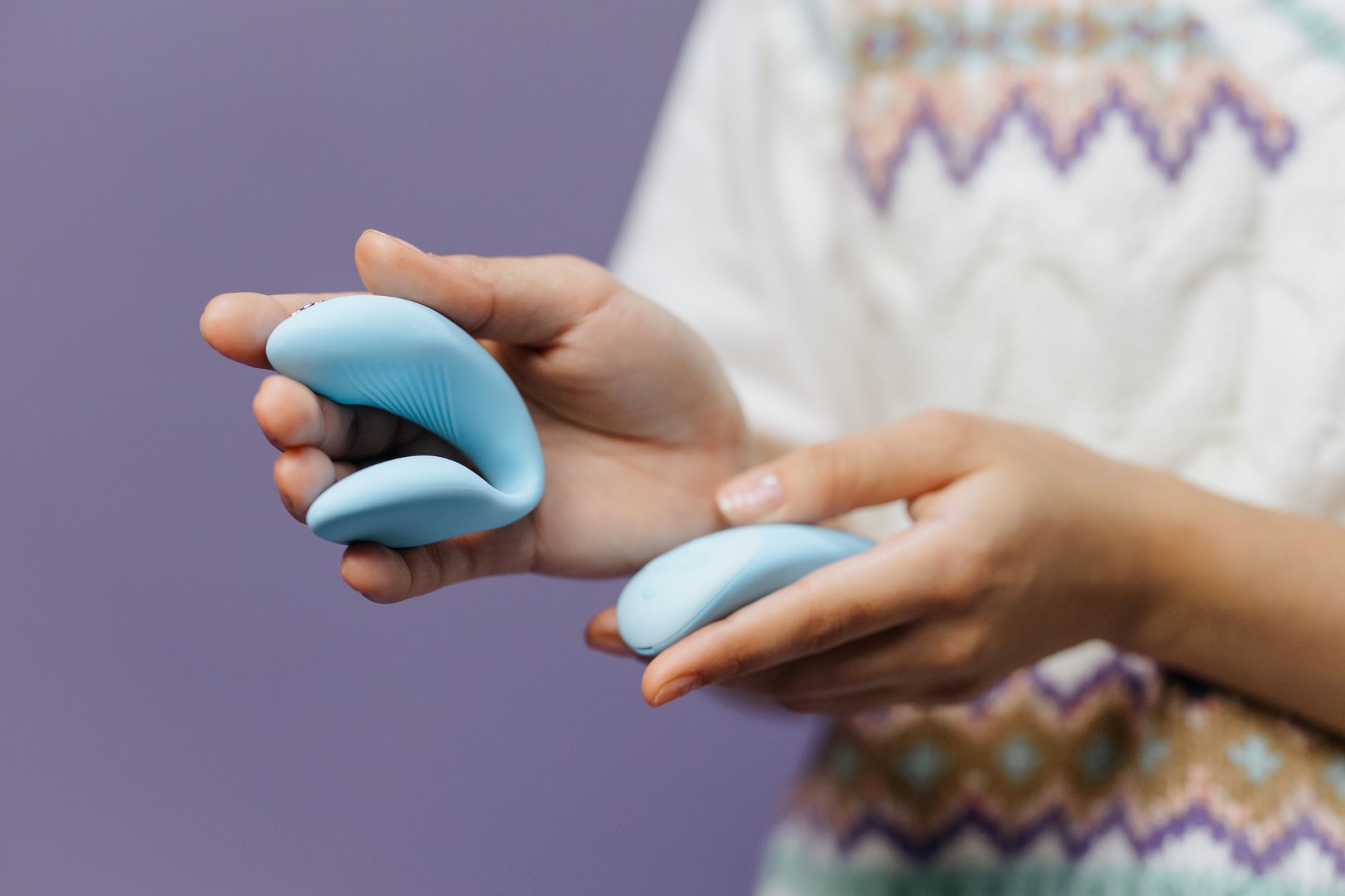
Photo by cottonbro studio on Pexels
Building a physical practice that feels safe
After separation, your body might carry tension in places you didn't expect. The pelvic floor often holds anxiety and grief. Before you use a lemon vibrator, spend five to ten minutes on simple breathing and grounding.
Here's what I suggest:
Start seated or lying down somewhere you feel secure. Not in bed if bed feels too connected to your marriage. Maybe the couch, maybe a comfortable chair, maybe a specific spot where you've never had partnered sex.
Breathe into your belly for a few minutes. Feel your feet on the floor. Feel the surface supporting your weight. Your nervous system needs to register that you're safe before pleasure can actually land.
Begin with the lowest setting on your lemon vibrator. Not because you're broken or numb. Because you're introducing your body to a new sensation without expectation. Some people need several sessions before they feel anything. That's not failure. That's your nervous system gradually understanding that this is safe.
If emotion arrives, don't try to fix it. Pleasure and grief often arrive together after separation. Orgasm can trigger tears. That's your nervous system releasing stored tension. Let it happen.
Many of my clients find that within a few weeks of regular practice, their body begins to remember what pleasure feels like independent of anyone else. That memory matters. It's how you rebuild your relationship with your own sexuality.
When to reach out for additional support
If you're experiencing numbness that doesn't shift after several solo sessions, that's worth exploring with a therapist who specializes in sexuality and trauma. Sometimes separation trauma can create temporary anhedonia, which means your brain's pleasure centers need a bit more support to wake up.
If shame becomes overwhelming or if you find yourself using solo pleasure as dissociation rather than connection to your body, pause and seek support. A therapist can help you understand what your nervous system is processing and whether the timing is right for this kind of exploration right now.
This isn't about forcing yourself to feel pleasure on a timeline. It's about creating space for pleasure to return when your body is ready.
Building a rhythm that works for you
After a few initial sessions, many people develop a weekly practice. Not because they have to, but because they discover that regular solo pleasure actually improves their mood, sleep, and sense of agency over their own body. It becomes less about desperate seeking and more about intentional self-care.
You might use your lemon vibrator once a week. You might use it three times. You might go weeks without touching it and then return when the impulse feels genuine. There's no right answer. The point is that you're making the choice based on what your body actually wants, not what you think you should want.
One thing I've observed in my practice is that people who reconnect with solo pleasure after separation often report that they feel more grounded in their own desires. When and if they do choose partnered sex again, they know what they actually enjoy. That clarity is powerful. It changes how you show up in future relationships because you're coming from a place of knowing your own pleasure, not trying to figure it out through someone else's response.
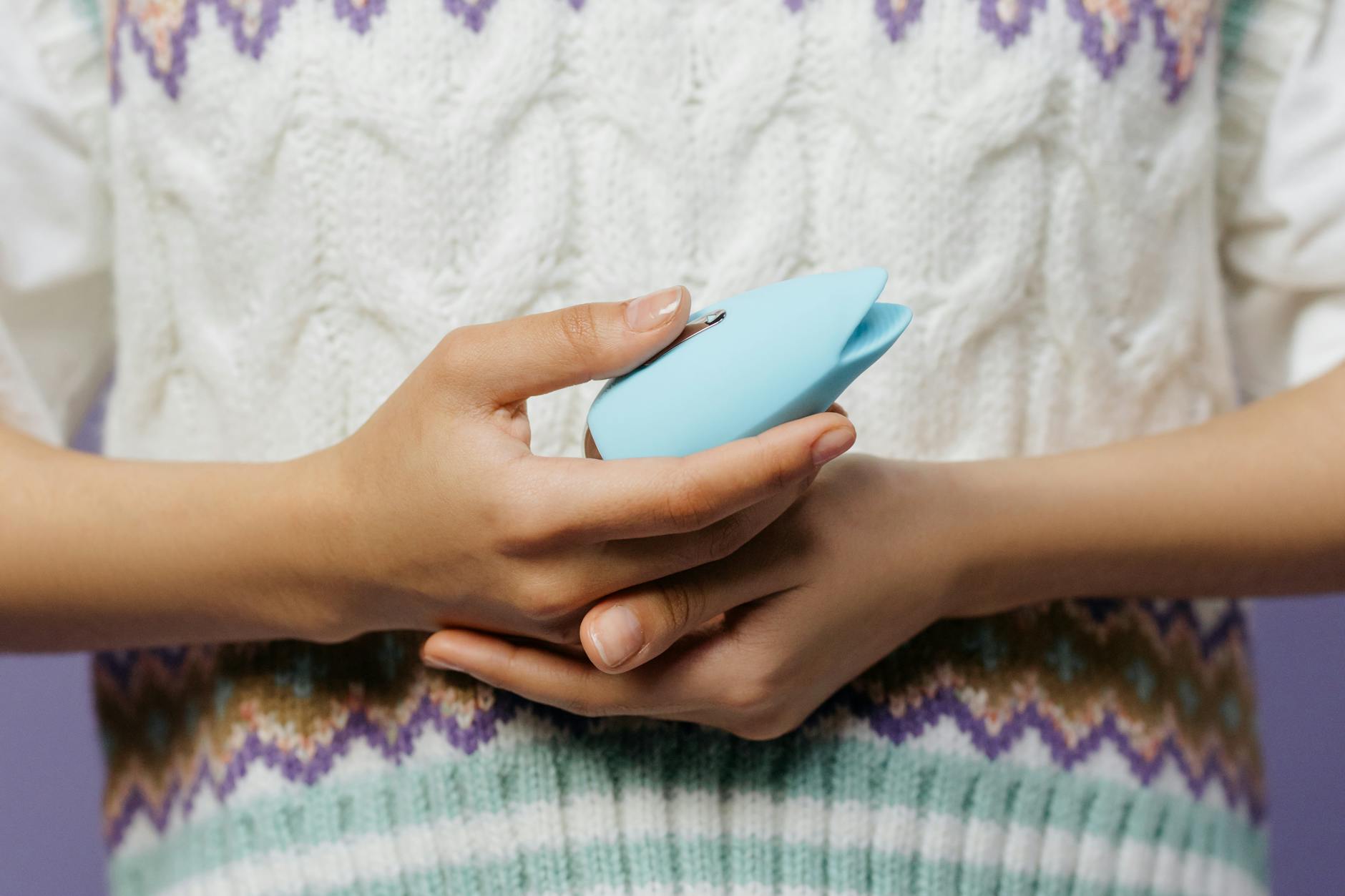
Photo by cottonbro studio on Pexels
The deeper work: rebuilding trust in your own judgment
Separation often hits the part of you that trusts your own decision-making. You chose this person. You married them. The relationship ended. That can create a lot of second-guessing about everything, including your sexuality and what turns you on.
Using a lemon vibrator is part of slowly rebuilding that trust. You're learning to listen to your body's signals again. You're practicing saying yes to what feels good and no to what doesn't. You're reclaiming the authority to know yourself.
This is why I think clitoral vibrators are so useful in the post-separation period. They're not complicated. They don't require negotiation or compromise. They're just a tool that helps you access pleasure on your own terms. And in a season when control feels like the one thing that was taken from you, having control over your own pleasure matters tremendously.
When you're ready to explore partnered intimacy again, you'll be coming from a different place. You won't be trying to figure out pleasure through someone else. You'll know what you like, and you'll be able to communicate it. That's how you build healthier relationships going forward.
People also ask
Is it normal to feel guilty using a vibrator alone after separation?
Yes, it's incredibly normal. You might carry internalized messages about what sexuality is supposed to look like, or you might feel like you're betraying your ex by exploring your own pleasure. Neither of those things is true, but the guilt often arrives anyway. What helps is reminding yourself that your sexuality is separate from your relationship status. You're not cheating on anyone by using a lemon vibrator alone. You're reclaiming a fundamental part of yourself.
How long does it take to feel pleasure again after separation?
It varies widely. Some people feel genuine pleasure within a few weeks. Others need several months. The timeline depends on the intensity of the separation trauma, any history of sexual shame, and your current nervous system state. There's no right answer, and pushing yourself to feel pleasure on a specific timeline often backfires. The goal is gentle, patient reconnection with your body.
Can using a lemon vibrator help with the emotional pain of separation?
It can help, but it's not a substitute for actual emotional processing. Solo pleasure can provide temporary relief, improved mood, and better sleep, which all support your capacity to grieve and heal. But it won't make the separation hurt less. What it can do is remind you that pleasure is still possible for you, even in a painful season. That reminder matters.
Should I tell my therapist I'm using a vibrator for solo pleasure?
If you have a therapist who specializes in sexuality and trauma, absolutely. They can help you process emotions that arrive during solo sessions and support your nervous system as it gradually reacclimates to pleasure. If your therapist seems uncomfortable with the topic, that's information about their own relationship with sexuality, not about whether you should be exploring your own.
What if I still feel numb even after using a lemon vibrator regularly?
Numbing after separation can be a protective mechanism. If it persists beyond a few weeks or months, that's worth exploring with a trauma-informed therapist. Sometimes your nervous system needs additional support beyond solo pleasure. That might include somatic therapy, medication, or other modalities. There's no shame in needing help. In fact, reaching out for it is the most powerful thing you can do.
Is solo pleasure after separation different from masturbation before?
Yes, often significantly. Before separation, solo pleasure might have been spontaneous or connected to fantasy. After separation, it's frequently more intentional and more connected to self-soothing and nervous system regulation. Some people describe it as feeling more meditative or grounding. Others describe it as reclaiming territory. Both are valid. What matters is that you're doing it for you, not for anyone else.
What comes next
Reclaiming pleasure after separation isn't about rushing back to where you were before. It's about building something new. A relationship with your own body that isn't contingent on anyone else. A sexuality that belongs to you completely.
Using a lemon vibrator is one part of that work. It's the physical practice. The emotional work happens in the space you create around it. The permission you give yourself. The gentleness you practice. The trust you slowly rebuild in your own desire.
You deserve that. Your pleasure matters. Your body deserves touch that's kind and on your terms. Start there, move at your own pace, and reach out for support when you need it. If you're struggling with the emotional aspects of rebuilding after separation, reach out to connect with resources that might help.