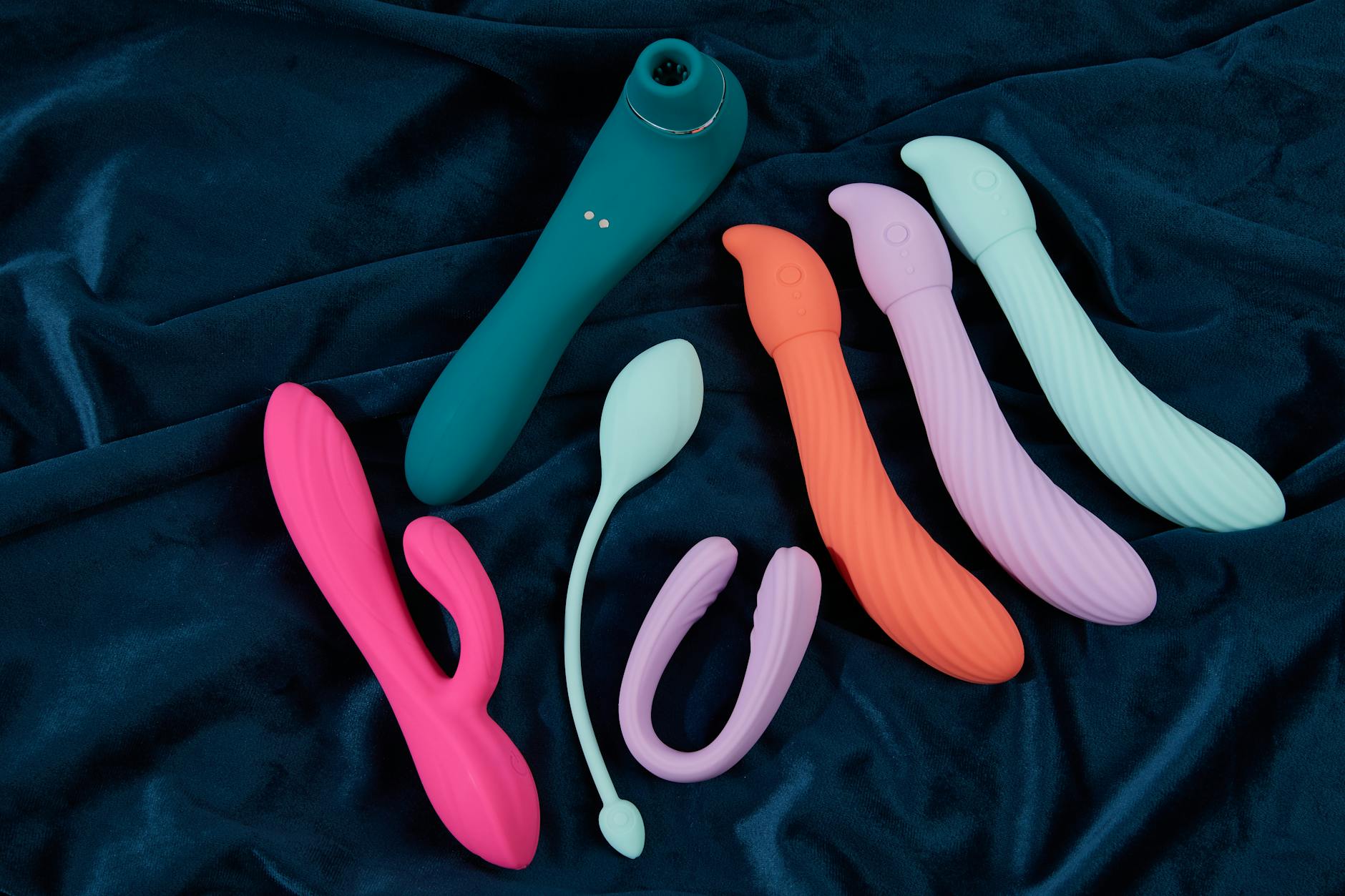
Here's what nobody tells you about using toys with someone new
Introducing a lemon vibrator or any toy to a new partner doesn't have to feel like a risky conversation. Most people assume it does, which is exactly why it stays awkward. The anxiety usually isn't about the toy itself. It's about what introducing it might mean to them or about you.
Let me be direct: most partners are relieved. Not threatened. Relieved.
Why people actually feel anxious about bringing this up
The fear usually comes down to a few specific worries. You might worry your partner will think you're not satisfied with them alone. You might worry they'll feel replaced or inadequate. You might worry they'll judge you for wanting or needing something different to orgasm.
Here's the clinical reality: none of those are about the toy. They're about attachment security and whether you trust your partner to handle your pleasure mattering more than theirs sometimes. That trust either exists or it doesn't, and bringing in a lemon clitoral vibrator doesn't create it. It just reveals where you already stand.
If your partner responds with defensiveness or shame, that tells you something important about the relationship. If they respond with curiosity or willingness to explore, you've just learned something equally important. Either way, you get useful information.
The conversation setup that actually works
Timing matters. Don't bring this up mid-sex, right after sex, or when either of you is stressed about something else. Pick a calm moment, ideally when you're both relaxed and have privacy.
Start with context, not the toy. Say something like: "I've been thinking about what gets me there faster, and I realized I want to explore that with you." Or: "I read that a lot of people use toys as part of partnered sex, and I'm curious about trying it." You're naming curiosity and desire, not dissatisfaction.
Then ask a question instead of making a statement. "Would you be open to trying something new together?" or "How would you feel about me using a toy while we're together?" creates space for their response instead of putting them on defense.
Listen to what they actually say, not what you fear they mean. If they say "I don't know, I've never done that," that's not a no. That's uncertainty. You can work with that. If they say "That feels weird," ask why. Often the "why" is fixable with information or reassurance.
If they say no, you have a bigger conversation about compatibility and whether their comfort with your pleasure matters to them. That's the real conversation underneath.
Why lemon vibrators specifically work better for partnered use
Unlike traditional vibrators, lemon clitoral vibrators use suction technology, which means they stimulate nerves without the intense friction that can feel too much when you're already aroused from being with someone. The sensation is concentrated and precise, which means shorter warm-up time and more predictable results. That matters with a partner because you're not lying there for 20 minutes while they wait.
A lemon vibrator also gives your partner something to do with their hands while you're using it. They can touch you elsewhere, maintain eye contact, stay present. With a wand vibrator, the toy often takes up space and creates distance. Suction toys integrate into partnered sex instead of replacing it.
How to actually use it together for the first time
Start clothed or mostly clothed the first time. I know that sounds odd, but it lowers the stakes. You're not naked, vulnerable, and trying to figure out a new toy at the same time. You're just exploring.
Show your partner how you use it solo first. Let them hold it, feel how it works, understand the intensity levels. This removes the mystery. It's a tool, not a magic wand that means something about your feelings for them.
When you move to actual partnered use, start with patterns 1 or 2 if you're using something like a Hello Nancy lemon clitoral vibrator. You want to build arousal together, not jump straight to the setting that makes you come in 90 seconds. That creates pressure for them and doesn't give them time to stay present.
Talk during it. "This feels good," or "Go slower," or "Keep doing that." Not just for practical reasons, though that matters. Talking keeps you connected instead of letting the toy become the only focus.
Managing the emotions that come up
Sometimes during or after partnered toy use, people get triggered. Your partner might feel left out. You might feel embarrassed. Those emotions are worth paying attention to, but they're not usually about the toy.
If your partner feels left out, that's often because they don't understand that using a toy with them is not the same as using it alone. It's more intimate, not less, because you're sharing it. You're letting them see you come. You're trusting them. Frame it that way.
If you feel embarrassed, that's usually internalized shame about your body or your pleasure mattering. That's not about them. That's yours to notice and work through. A partner who loves you wants to see you come. Full stop.
Building a pleasure practice together over time
The first time is awkward. Accept this. The second time is better. The third time, you'll start joking about it. By the fifth time, it's just part of what you do together.
You might learn that your partner loves watching you use a toy. You might learn that you prefer using it alone and having them present without touching it. You might discover positions that work better or find that adding toys deepens your emotional connection in surprising ways.
The point isn't to figure it all out in one session. The point is to keep exploring and talking about what's working and what isn't. That's how real pleasure practices develop. Not from one perfect conversation or one perfect first time, but from willingness to keep showing up and being honest.
When to bring in more complex conversations
If you're using a lemon vibrator as part of partnered sex and you notice you only orgasm with the toy, not from your partner's touch, that's information worth exploring. It doesn't mean your partner isn't enough. It often means your body responds to a specific type of stimulation that manual touch can't replicate. That's okay. Your body is allowed to have preferences.
Similarly, if your partner becomes dependent on the toy being present for you to enjoy sex, that's a different conversation. That usually means something about your arousal or desire has shifted, and it's worth understanding why.
These conversations are easier to have if you've already established that toys don't equal rejection. If you've already shown each other that pleasure is a team sport.
The bottom line
Using a lemon clitoral vibrator with a new partner is less scary than you think. It requires one honest conversation, a willingness to be a little awkward together, and enough trust to let your partner see you come. If those things are shaky, no toy is going to fix that. If they're solid, a toy is just one more way to build on what you've already started. The pleasure you get from it matters. Your partner's willingness to help you get there matters more.
People also ask
Should I introduce a lemon vibrator before or after we have sex for the first time?
After. Have partnered sex first, establish comfort with each other's bodies, then introduce the toy when you're already intimate and less self-conscious. Bringing a toy to first-time sex adds too many variables. You're already managing nervousness and newness. Let that settle first, then introduce something new.
What if my partner thinks a lemon vibrator means I'm not attracted to them anymore?
That's about their insecurity, not your desire. You can reassure them ("I use this because I want more sensation, not because I want you less"), but ultimately their security has to come from inside them. What you can do is show through actions that you still desire them. Use the toy with them present, maintain eye contact, touch them while using it, and keep having partnered sex without the toy too. Variety doesn't mean rejection.
Can we use a lemon clitoral vibrator during penetrative sex?
Yes, and many people find this works well because the toy focuses on clitoral stimulation while penetration handles vaginal sensation. It can actually increase pleasure for everyone because you're getting dual stimulation. Start with patterns 1 or 2 so you don't overwhelm yourself, and use water-based lubricant if you're using a silicone toy with condoms.
How do I know if my partner is genuinely okay with toys or just saying yes to make me happy?
Pay attention to their body language and follow-up behavior. If they're genuinely interested, they'll ask questions. They'll want to try again. They might even suggest it. If they seem uncomfortable or reluctant during sex, check in verbally. "Does this still feel okay?" gives them permission to be honest. You want enthusiastic consent, not obliged consent.
What if I orgasm faster with a lemon vibrator than with my partner's touch and it makes them feel bad?
This is where you separate two facts: your body responds to specific stimulation (true), and your partner's worth as a lover depends on that (false). You can have an orgasm from a toy and still deeply desire and enjoy your partner. These aren't mutually exclusive. Help them understand that bodies have preferences, not judgments. A lemon sucker works better for clitoral sensation than fingers do for most people. That's anatomy, not rejection.
Is it normal to want a lemon vibrator even if my relationship is good?
Completely normal. Good relationships don't mean perfect sexual compatibility without tools. Tools aren't band-aids for bad sex. They're just tools that help you access more pleasure. Using a toy says nothing about your relationship quality. It says something about your curiosity and willingness to explore.