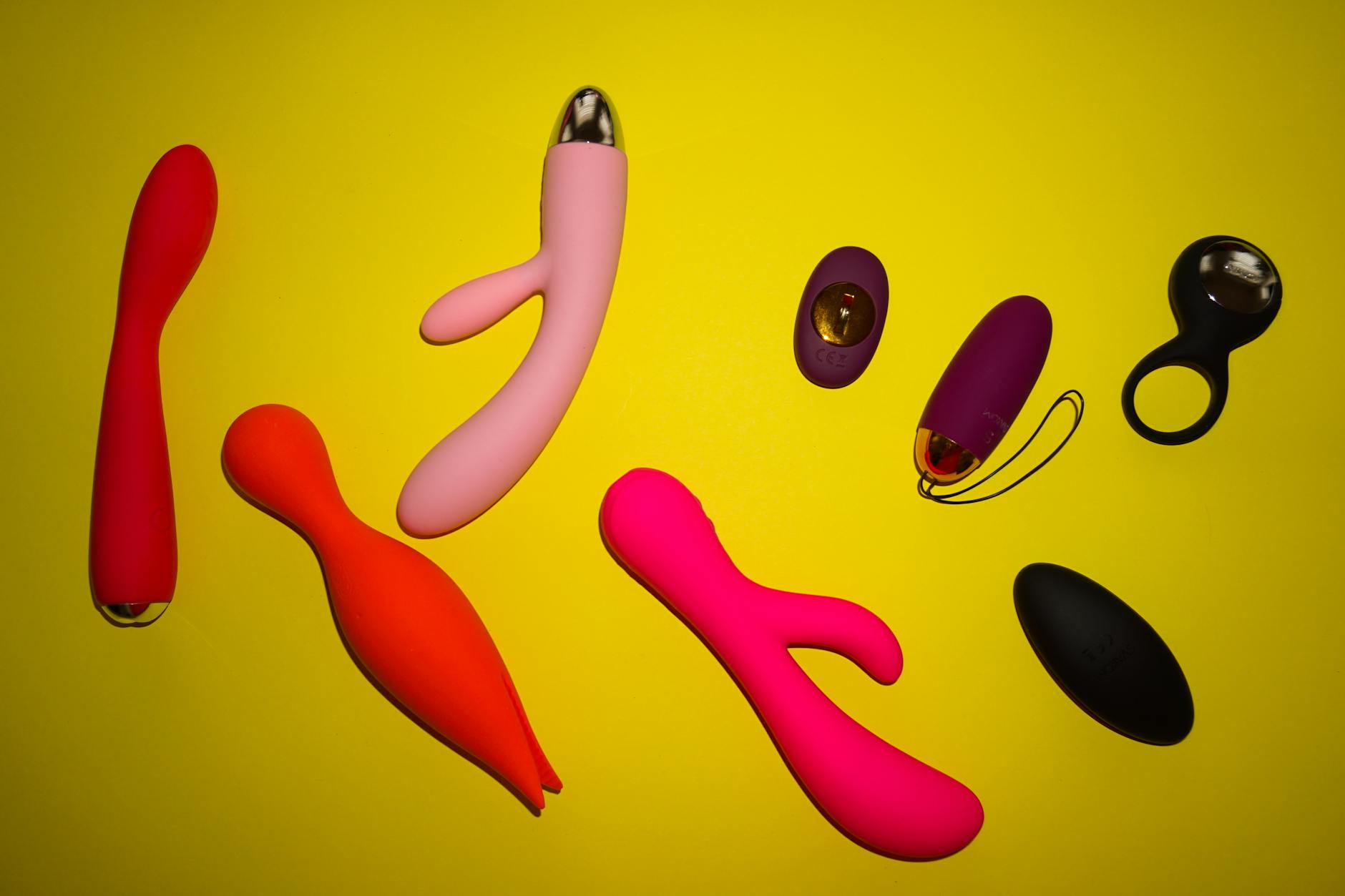
Let's start here. Low sex drive isn't a character flaw.
Your libido didn't disappear because you're broken or lazy or unlovable. It tanked because something real happened. Maybe stress compressed your nervous system. Maybe birth control flattened your testosterone. Maybe your relationship needs repair. Maybe all three are happening at once. The body keeps score, and sometimes that score reads zero.
Here's what I've learned after decades of working with couples: desire is not a switch. It's a cascade. And once you understand what broke it, you can rebuild it.
Why desire actually disappears
You've probably heard that low libido is "all in your head." That's technically true, but it's wildly unhelpful phrasing. Your brain controls everything. That doesn't make it less real.
Let me name the five most common culprits I see:
Stress and nervous system shutdown. Chronic stress keeps your body in fight-or-flight mode. Sex requires parasympathetic activation. Your vagus nerve needs to relax. When you're running on fumes, your body locks down arousal to protect energy. This is survival logic, not rejection.
Hormonal muting. Birth control, antidepressants, and perimenopause all pivot hormone levels in ways that flatten desire. Testosterone, even small amounts, drives libido. When it tanks, so does want. This isn't psychological. It's biochemistry.
Relational distance. You can't want someone you don't feel safe with. If trust eroded, resentment built, or disconnection widened, your body knows. Physical desire follows emotional safety. No safety, no desire. Your nervous system isn't being stubborn. It's being protective.
Anhedonia from depression. Sometimes low libido is just depression wearing a different costume. The pleasure centers of your brain go quiet. Sex feels like a chore you don't want to do. Food tastes bland. Everything feels flat. That's not laziness. That's neurochemistry.
Sensory numbness and disconnection. If you're dissociated, numb, or living in your head, your body feels like it belongs to someone else. Touch registers as texture, not pleasure. You can be having sex and feel absolutely nothing. That's not a device problem. That's a nervous system problem.
Why lemon vibrators work differently for low desire
Here's the thing about clitoral vibrators like a lemon sucker. They're not magic. But they're exceptionally good at one specific task: waking up sensation when your body has gone quiet.
A lemon clitoral vibrator uses suction and pulsation to flood your clitoris with blood and nerve firing. This does three things for low-libido bodies.
First, it breaks the numbness. When you're disconnected, your nervous system is defended. Gentle touch doesn't penetrate that defense. You need stimulation intense enough to register as undeniable sensation. Suction does this. It forces your brain to pay attention to your body. That's the reset button.
Second, it removes performance pressure. With a partner, low libido often coexists with guilt and pressure. You feel like you should want sex. You don't. You fake it. Your partner senses the faking. Everyone feels worse. A lemon vibrator lets you explore pleasure alone, without an audience, without expectation. That's where desire rebuilds. In private. On your timeline.
Third, it proves sensation is still possible. Low libido narrates a story: "I'm broken. I'll never want sex again." Lemon sexual toys interrupt that story. When you feel an orgasm arrive, even one that feels different or muted, you get evidence. Evidence rewrites the narrative. Suddenly you're not broken. You're rebuilding.
How to actually use a lemon vibrator when desire is low
The protocol matters here. You're not trying to force arousal. You're trying to establish a baseline.
Step one: Pick the right time. Low libido often pairs with low energy. Don't try this when you're exhausted. Pick a window when you have 20 minutes, you're not depleted, and you won't be interrupted. Morning often works better than night for people with depression or chronic fatigue.
Step two: No goal, no pressure. This is where most people fail. You think, "I'll use the lemon vibrator and have an orgasm." That goal-setting actually kills the process. Instead, approach it like exploration. You're testing what sensation feels like now, at this point in your body's journey. Orgasm is optional.
Step three: Start with your body, not the device. Spend 5 minutes without the vibrator. Touch your chest. Your thighs. Your labia. Let your hands reacquaint your brain with your body's existence. This sounds silly. It's not. You need to establish that you exist before sensation becomes possible.
Step four: Introduce the lemon vibrator at low intensity. Start on pattern one or two. Let the sensation build slowly. Your nervous system is defended. Rushing it triggers the defense further. Slow means it can feel safe. Your body needs permission to wake up.
Step five: Stop if you feel nothing. This is counterintuitive, but it matters. If after 10 minutes of low-intensity stimulation you feel completely numb, stop. This session is practice, not failure. You've confirmed something: your numbness is real. That's data. Next time, you might try a different time of day, or check whether you need to address stress or medication first. But you learned something.
The conversation you need to have before pleasure returns
If you're in a relationship, pleasure rebuilding requires honesty. Not apology. Not performance. Honesty.
Your partner probably blames themselves. ("Does they not want me?") You probably blame yourself. ("Am I broken?") Neither is true. Low libido is not a referendum on attraction. It's a signal that something in your system needs attention.
The conversation: "My libido is low right now. I'm working on it. This isn't about us. While I'm rebuilding, I need space to explore my body alone. This helps. It's not rejection of you. It's repair of me."
A good partner hears that and steps back. A defensive partner makes it about them. That defensiveness is actually information. It tells you whether you have relational safety. And relational safety is the foundation that desire eventually stands on.
When to seek outside help
If you've been using a lemon clitoral vibrator consistently for three weeks and sensation hasn't shifted at all, something else is happening. This is the moment to talk to a doctor or therapist.
Low libido from depression responds to antidepressants, but sometimes the antidepressant itself kills desire. Your dose might need adjusting. Your medication might need switching. That's a conversation with a prescriber.
Low libido from hormonal shifts might need HRT or a different birth control. That's a gynecologist conversation.
Low libido from relational distance might need couples therapy. That's a therapist conversation.
The lemon vibrator is a tool for sensation rebuilding. It's not a substitute for addressing the root cause. Think of it as one piece of the puzzle, not the whole puzzle.
The slow rebuild
Desire usually doesn't return all at once. It rebuilds incrementally. This week you feel a tingle that didn't exist before. Next week you have a thought about sex that isn't neutral. The week after that, you initiate because you want to, not because you think you should.
This is slow. It's not the dramatic arc. But it's real. And it's sustainable.
Your low sex drive isn't permanent. It's a message from your body. Listen to it. Use a lemon vibrator to reestablish sensation. Address the root cause. And trust that desire, when it returns, will feel earned rather than forced.
People also ask
How long does it take for a lemon vibrator to improve low libido?
Most people notice a shift in sensation within 2-3 weeks of consistent use, 2-3 times per week. But desire rebuilding takes longer. Expect 2-3 months before you feel genuine interest in sex returning. The timeline depends on what caused the low libido in the first place. If it's stress-related, it can shift quickly once stress decreases. If it's medication-related or from relationship distance, it usually takes longer.
Can lemon clitoral vibrators help if my low sex drive is from antidepressants?
They can help with sensation, which is step one. But medication-induced sexual dysfunction often needs a medication adjustment too. A lemon vibrator will wake up numbness, but if your brain chemistry is still suppressing desire, the device alone won't restore full libido. Talk to your prescriber about adjusting your dose or switching medications. Sometimes adding a second medication that offsets sexual side effects helps. But address both the sensation piece and the medication piece.
My partner thinks I should just "get over" low libido. How do I explain why that doesn't work?
Low libido isn't willpower. It's a nervous system state. You can't willpower your way out of it any more than you can willpower yourself out of depression or anxiety. Tell your partner: "If this were about trying harder, I would have already fixed it. I need you to support the actual solution, which takes time." If your partner continues to dismiss it, that's a sign the relational distance is part of the problem. Couples therapy might be necessary before pleasure returns.
Can I use a lemon vibrator with a partner if my libido is low?
Yes, but start solo first. Rebuilding sensation works best without an audience. Once you've reestablished that pleasure is possible, introducing your lemon vibrator into partnered sex can help. It removes pressure. Your partner isn't responsible for your arousal. The device is. That actually reduces relationship anxiety. But the solo phase needs to happen first.
Should I use numbing lube if I have low libido and low sensation?
No. Avoid it entirely. When sensation is already muted, numbing lubes make it worse. Use a water-based lube that feels slick but doesn't dull sensation. Or use nothing. The point is to wake up nerve endings, not quiet them further. A lemon sucker works best on bare skin or with moisturizing lube.
What if a lemon vibrator just feels like pressure and nothing else?
That's real information. It means your nervous system is still too defended or your body is too dissociated to process sensation. This isn't a device failure. It's a nervous system signal. Before you use the vibrator again, try grounding techniques: cold water on your face, pressing your feet into the floor, naming five things you can see. These activate your nervous system in ways that make sensation possible. Then try the lemon vibrator again. If it still feels like nothing, talk to a therapist about dissociation or a doctor about hormonal factors.
Sources
Gottman, J. M., & Silver, N. (2015). The Seven Principles for Making Marriage Work. Harmondsworth: Penguin.
Kaplan, H. S. (1979). Disorders of Desire and Other New Concepts and Techniques in Sex Therapy. New York: Brunner/Mazel.
Brotto, L. A. (2010). The DSM diagnostic criteria for hypoactive sexual desire disorder in women. Archives of Sexual Behavior, 39(2), 221-239.
Meston, C. M., & Frohlich, P. F. (2000). The neurobiology of sexual function. Archives of General Psychiatry, 57(11), 1012-1030.