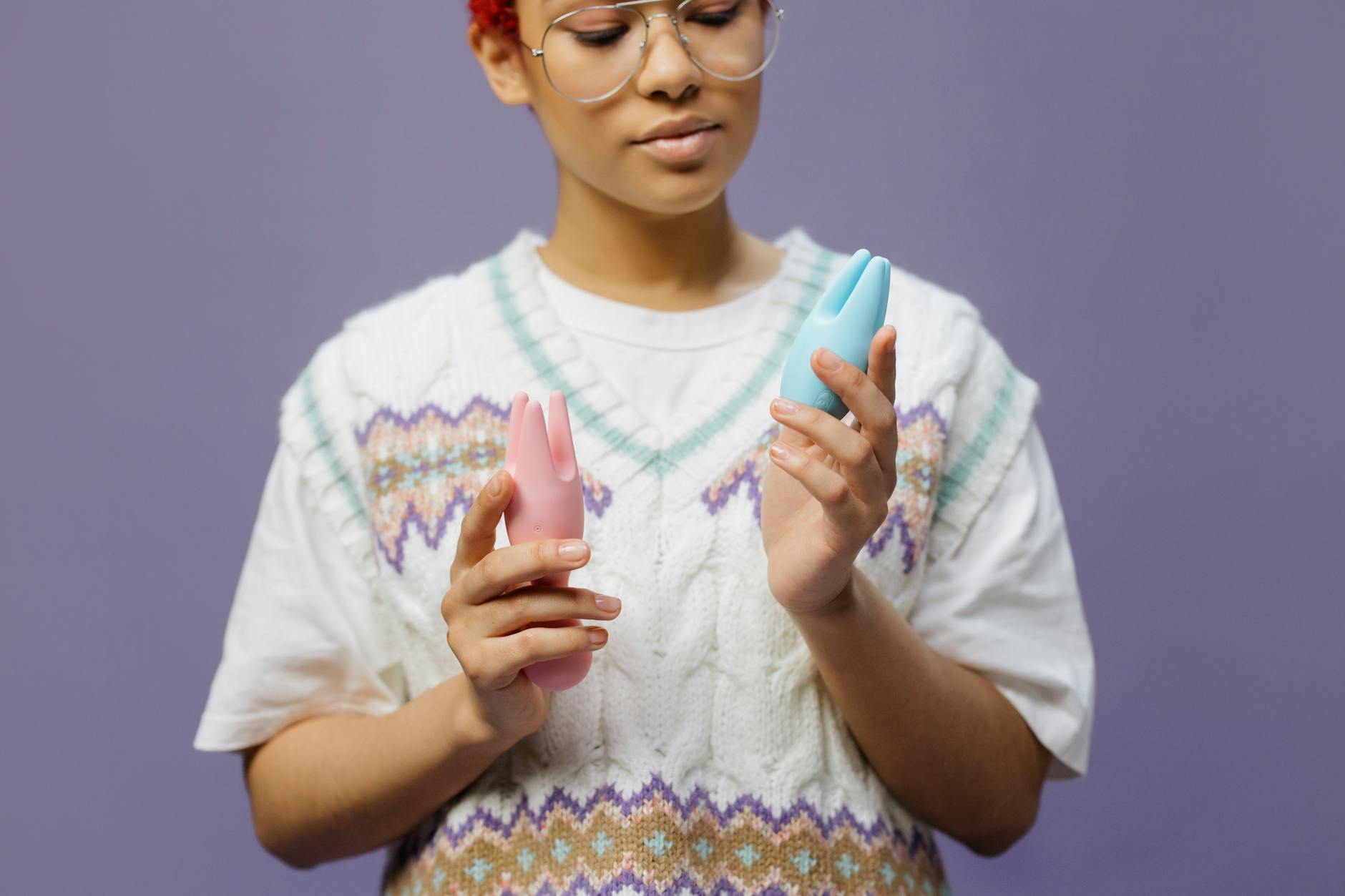
Here's what nobody talks about
Your body can light up while your mind stays somewhere else entirely. You're physically aroused. Your body's cooperating. But desire? That part feels missing. It's not a sign something's broken. It's actually pretty common, especially in long-term relationships or after periods of stress, disconnection, or life upheaval.
The gap between arousal and desire is real. And it matters because nobody talks about how to navigate it.
The difference between arousal and desire
Arousal is the physical response. Blood flow, lubrication, sensitivity spiking. It's your body's automatic system kicking in. Desire is the mental and emotional wanting. The actual craving for touch, connection, or sensation. You can have one without the other, and that mismatch creates a confusing loop where you feel like a fraud in your own pleasure.
This happens most often when you're going through the motions with a partner but emotionally checked out. Or when stress has flattened your enthusiasm across the board but your body still responds to direct stimulation. Relationship resentment, work burnout, grief, even just boredom with routine all create this exact scenario.
The body responds. The mind doesn't follow. And then you feel guilty for not wanting what your body clearly wants.
Why this happens more than you'd think
Three big reasons this disconnect shows up:
Autopilot intimacy. If sex has become routine or obligatory, your nervous system can still activate the arousal response even when your actual desire has gone quiet. You're not broken. You're just experiencing what happens when physical intimacy loses its meaning.
Unresolved relational tension. Resentment, feeling unseen, or a pattern of being rushed or dismissed during intimacy creates a weird split between what your body does and what your mind wants. Your body remembers pleasure. Your heart remembers hurt.
Stress and distraction. Depression, anxiety, work pressure, parenting demands, grief. These don't necessarily kill arousal, but they absolutely kill desire. Your body can still respond to stimulation while your mind is three states away worrying about taxes.
The role of a lemon vibrator in rebuilding connection
A Lemon Vibrator works differently here than it does in other contexts. You're not using it to chase an orgasm. You're using it to translate arousal back into desire.
The suction mechanism on lemon clitoral vibrators creates a pull-and-release pattern that feels distinctly different from a traditional vibration. That unique sensation can break you out of the autopilot loop. It's novel enough to pull your attention back into your body instead of letting your mind wander to your to-do list.
Start with this: Use the vibrator alone, not during partnered sex. This removes the pressure to perform, the need to get to a finish line, or the guilt about not "being in the mood." Solo use is where you rebuild the bridge between sensation and genuine wanting.
How to use a lemon vibrator when desire feels absent
Set the container. Give yourself 30 minutes with no partner, no distractions, no goal. The goal is not orgasm. The goal is noticing what feels good. This distinction is huge. When you're chasing a finish line, your mind stays outside the experience. When you're just exploring, your mind has permission to come back in.
Start outside the obvious zones. Don't lead with your clitoris. Use the Lemon Vibrator on your inner thighs, your hip creases, your lower belly. Notice what catches your attention. What makes you want more stimulation in that exact spot? That wanting is the earliest sign that desire is waking up.
Use pattern 1 or 2. Not patterns 4 or 5. Lower intensity forces you to pay closer attention. High intensity can trigger arousal on pure automatic response. You want sensations subtle enough that your brain has to lean in to feel them. That's where desire lives.
Bring curiosity instead of expectation. "I wonder what this feels like" is a completely different nervous system state than "I should want this." One softens you toward experience. The other tightens you against it.
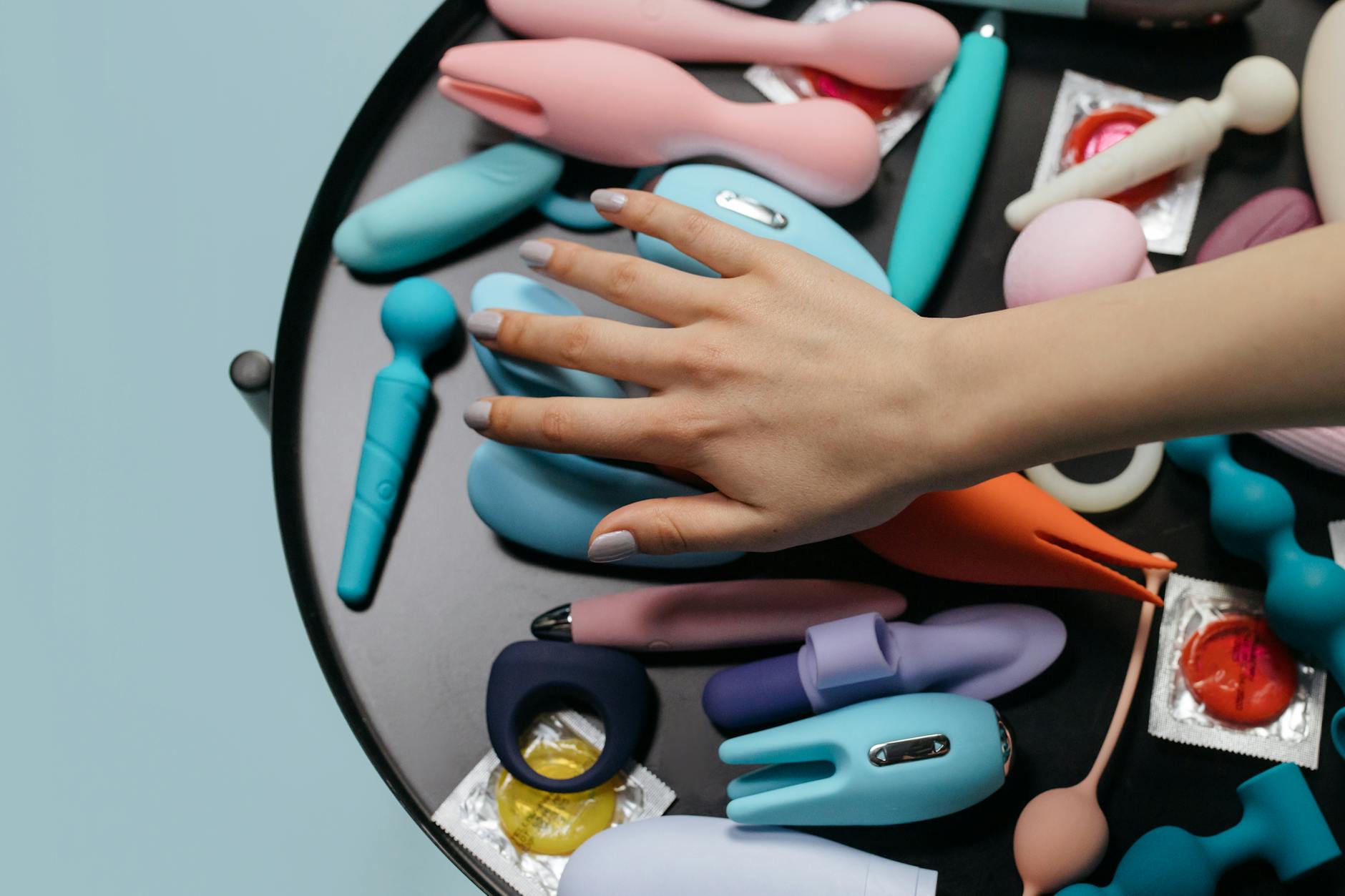
Photo by cottonbro studio on Pexels
The conversation you need with your partner
If you're in a relationship, this disconnect often needs talking about before you bring toys into partnered sex. And that conversation is probably different from what you think.
Don't lead with "I don't want you." Lead with "I've noticed my desire and my arousal are on different wavelengths right now. I want to understand why. Can we pause physical intimacy for a bit while I figure this out?"
Then actually pause. Not as a punishment. As a genuine reset. Use your lemon clitoral vibrator solo. Take that 30-minute container to yourself. Let your body remember what wanting feels like without performing for anyone.
After a week or two of this, you'll know more. Sometimes the desire comes roaring back once you're not forcing it. Sometimes you realize you need to address actual relational issues. Both are useful information.
When it's not just stress or routine
Some people live with this disconnect longer term. Trauma survivors often experience arousal separate from desire because their body learned to respond in survival mode. Neurodivergent folks sometimes have arousal and desire on completely separate schedules. People on certain medications experience physical response without mental interest.
None of these mean you're broken or that pleasure is off the table. They just mean your body and brain might need different conditions to sync back up. The lemon vibrator's role is slightly different here. You're still rebuilding the bridge, but you might need additional support alongside it.
A trauma-informed therapist, a good conversation with your prescribing doctor, or a partner willing to slow down and follow your actual pace matters. The vibrator is a tool, not a fix-all.
The surprising thing that happens
Most people expecting this to take months find that 2 to 4 weeks of regular solo exploration shifts something. Not because you're "practicing" arousal, but because you're practicing attention. You're learning to notice what actually turns you on versus what you think should turn you on. That's the reset your system needs.
Desire comes back quieter than it leaves. It doesn't roar in like a lightning bolt. It creeps in as a small preference. "I actually want this today." That's the signal you're waiting for.
FAQ: Arousal and desire disconnect
Why can my body respond sexually when I don't want sex?
Arousal is an automatic nervous system response. Your body can engage the sympathetic (activate) response to direct stimulation without your mind being on board. Think of it like how your pupils dilate in darkness automatically. Just because the mechanism works doesn't mean you chose it. This disconnect is especially common when you're stressed, going through relationship tension, or experiencing depression.
Is it normal to feel aroused but not want actual contact?
Completely normal. This happens frequently in long-term relationships, after trauma, during or after depression, with medication side effects, and during major life transitions. The specific pairing of physical response plus emotional distance often means your nervous system is in a protective state even though your body's arousal circuits are still functional.
How long does it take to reconnect desire with arousal?
Most people notice a shift within 2 to 4 weeks of regular solo exploration using methods like lemon vibrators without pressure or goal orientation. Some take longer depending on what's driving the disconnect. If it's stress or routine, faster. If it's trauma or significant relational rupture, you might need additional support alongside the physical exploration.
Can using a lemon vibrator help bridge this gap?
Yes, especially because the sensation is unique enough to pull your attention back into your body rather than staying in autopilot. The pattern of suction feels distinct from routine vibration, which can interrupt the disconnect loop. The key is using it solo first, with curiosity rather than performance pressure, and at lower intensity settings that require actual attention.
What if I use a vibrator and still feel nothing?
First, check your baseline. Are you well-rested, hydrated, reasonably calm? Sometimes the entire nervous system is too activated (stress, anxiety, hypervigilance) to register pleasure at all. If that's the case, the work might be nervous system regulation first. Therapy, meditation, or grounding practices sometimes come before pleasure exploration. Second, give it real time. Four weeks minimum of regular practice before you decide it's not working.
Should I tell my partner I'm using a vibrator to reconnect with desire?
That depends on your relationship agreement and whether solo play is part of your normal dynamic. What matters more is being honest about the actual gap you're experiencing. "My desire is offline right now, and I need some space to figure out why" is enough. Whether you mention the specific tool is secondary to addressing the pattern itself.
What happens next
Once you've spent a few weeks reconnecting sensation with genuine wanting, you have choices. Maybe you bring your partner in once desire has started to come back. Maybe you realize the disconnect points to something bigger that needs addressing. Maybe you find that solo pleasure was exactly what you needed and that becomes part of your regular rhythm.
None of those are wrong. The point of the work is getting your body and mind talking to each other again. A lemon vibrator is a conversation starter, not the conversation itself.