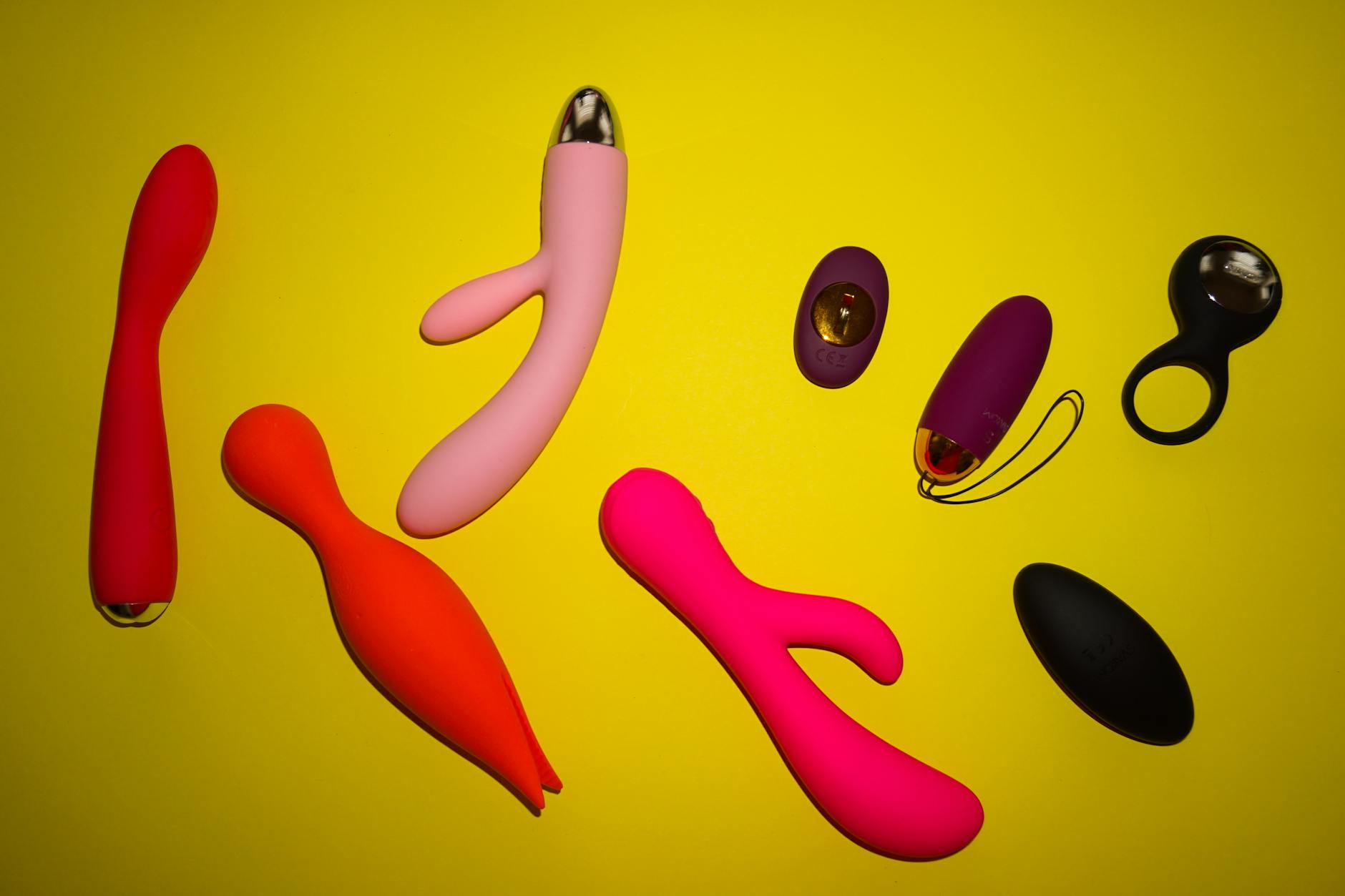
The first thing that changes is desire
Let's be real: testosterone therapy rewires arousal. Within weeks, many people report that desire shifts from something they have to manufacture into something that arrives on its own. That's not psychological. That's your body suddenly producing a hormone that directly fuels sexual interest, physical responsiveness, and the speed at which you get turned on. If you've been on testosterone therapy for a few months, you might already know this. If you're starting, this is the part everyone talks about in hushed tones but nobody actually explains.
What's less talked about is what this means for sensation, for what feels good, and for how tools like a lemon vibrator fit into the picture when your entire nervous system is recalibrating.
What testosterone therapy actually does to pleasure
Testosterone doesn't just flip a switch on desire. It changes the physical landscape. Here's what happens clinically.
Your clitoral tissue swells and becomes more prominent. The nerve density in the clitoris doesn't change, but the increased blood flow and tissue thickness mean sensation becomes more concentrated and intense. Arousal builds faster, which feels amazing until it doesn't, because sometimes the intensity catches you off guard. Some people report that orgasms feel sharper, more localized. Others find that the same touch that felt perfect before testosterone now feels either too soft or too intense.
The pelvic floor also tightens, which can feel amazing or uncomfortable depending on the day and your baseline tension. Your skin might become more sensitive overall. Facial hair and body hair grow in. Your voice might lower. These are all testosterone doing its job. But pleasure is where most people feel the most immediate shift.
Why your favorite vibrator might feel different now
If you've been using a lemon clitoral vibrator or other toys before starting testosterone therapy, you might notice that the same device feels different now. This is completely normal and not a sign that anything is wrong.
A few things are happening. First, increased clitoral sensitivity means you might need less stimulation to reach the same level of sensation. The pattern or intensity that felt perfect before might now feel either barely noticeable or almost too much. Second, the speed at which you respond changes. You're aroused faster, which means you might need shorter warm-up time. Third, the types of sensation you're drawn to might shift. Some people find that suction-based stimulation (like the Lem vibrator's technology) feels more satisfying than traditional vibration patterns after testosterone therapy.
How to recalibrate with a lemon sucker during HRT
If you're using a lemon vibrator or similar lemon clitoral vibrator for the first time on testosterone therapy, or if you've had one and need to adjust, here's what actually helps.
Start with the lowest setting. Seriously. Your body is more responsive now, and diving in at pattern 5 might overwhelm you when you could get the same result at pattern 2. This isn't about being delicate. It's about learning your new baseline. Many people find that the gentle suction patterns on a lemon sucker work better than traditional vibration settings because the sensation feels more focused and less likely to overstimulate fresh nerve endings.
Build up slowly. You've got time. Arousal builds faster on testosterone, so you're not losing anything by taking 10-15 minutes instead of rushing. Your body is already primed. Use that.
Listen to what feels different about your body. Are you noticing that you prefer lighter touch? That your clitoris feels more exposed or prominent? That certain patterns feel almost sharp? Write these down if it helps. You're not broken. You're gathering information.
The mental piece nobody mentions
Here's the part that genuinely matters and gets overlooked: your relationship to your own pleasure might be shifting, and that's separate from what's happening physically.
For many people, testosterone therapy comes after years of lower desire. You might have gotten used to a lower baseline of arousal, to initiating less, to a quieter experience of pleasure. Suddenly that's not your normal anymore. Your body is telling you it wants sex more often, responds faster, and craves intensity you might not have felt in a long time. For some people, that's liberation. For others, it takes adjustment, especially if you've internalized that this version of pleasure isn't safe or isn't for people like you.
If you're partnered, your partner might also be adjusting to your increased desire. That's a separate conversation from "how to use a toy," but it's real. If you're navigating this solo, the adjustment is all about permission. You deserve intensity. You deserve to feel hungry. Your pleasure matters more now, not less.
Lube, lubrication, and why it changes on testosterone
Testosterone increases natural lubrication for many people. Some folks find that they need less external lubricant than they did before therapy. Others find that the quality of lubrication changes but the quantity doesn't shift much. Don't assume you won't need lube anymore. Instead, experiment.
If you're using a lemon clitoral vibrator, water-based lubricant is still your best bet because silicone-based lubes can degrade the toy. But you might find that you use less, or that you prefer thicker lubes because your own lubrication is already doing part of the work. That's information about your body on testosterone. Collect it.
When sensation becomes too much
Some people experience what feels like hypersensitivity in the first months of testosterone therapy. Your clitoris might feel tender even when you're not aroused. Stimulation that felt good during arousal might feel sharp or uncomfortable in a different context. This usually settles down within a few months as your body adapts to the new hormonal baseline.
If it doesn't settle, or if pleasure is consistently painful rather than intensely pleasurable, talk to your prescribing doctor or a provider who specializes in gender-affirming care. You're not overreacting. Adjusting dosage or timing is sometimes necessary.
Partnered pleasure during testosterone therapy
If you're having sex with a partner, communication becomes even more important on testosterone therapy because your body is changing visibly and sensationally. A partner who's used to your arousal baseline before therapy might not expect the intensity afterward. Some partners love it. Some partners need time to adjust. Some partnerships shift entirely because the dynamic has changed.
Using a lemon vibrator with a partner during testosterone therapy can actually be a great reset point. It gives you both a chance to explore what feels good in your changing body without assumptions. It's lower stakes than partnered sex and gives you concrete information to share. Try it. Talk about what you're noticing. Your pleasure shifting is not a problem to solve. It's information to work with.
FAQ: Testosterone therapy and lemon vibrators
How long does it take for sensation to settle after starting testosterone therapy?
Most people notice stabilization in sensation within three to six months, though some changes continue to unfold over the first year. The initial intensity usually mellows into a more integrated baseline. If you're experiencing sharp pain or discomfort beyond the second month, check in with your prescriber.
Can I use my lemon clitoral vibrator right away on testosterone therapy?
Yes, absolutely. You might just need to start at a lower intensity than you used before therapy. Your body is more responsive, not fragile. If the same device feels overwhelming, dial down the pattern or duration, not the toy itself.
Will testosterone therapy make me want sex all the time?
Not necessarily "all the time," but many people experience a noticeable increase in baseline desire, more frequent sexual thoughts, and faster arousal. This is normal and usually stabilizes after the first few months. If you're finding that increased desire is distressing or interfering with your life, that's worth discussing with your provider.
Should I adjust dosage if stimulation feels too intense?
Don't adjust your testosterone dosage based on sensation alone. Intensity usually subsides naturally as your body adapts. If your experience is persistently painful or genuinely distressing, talk to your prescriber about it in context with your overall experience on therapy, not just pleasure.
Are lemon vibrators better than other toys during testosterone therapy?
Lemon clitoral vibrators and lemon suction toys work well for many people on testosterone therapy because the sensation is focused and easier to modulate. You can start with gentler suction patterns and build up. That said, the "best" toy is whatever feels good in your body right now. You might find that your preferences shift.
What if I don't feel increased desire after starting testosterone therapy?
Desire increases are common but not universal. Some people feel it immediately, others gradually, and some don't experience a dramatic shift. Dosage, individual biochemistry, stress, relationship dynamics, and a dozen other factors affect desire. If you expected increased arousal and aren't feeling it after three months, check in with your prescriber. That doesn't mean something is wrong. It means your dose might need adjustment.
The bottom line
Testosterone therapy changes your pleasure landscape. Your body becomes more responsive, more awake, sometimes more intense. A lemon vibrator is a great tool for exploring that new terrain. Start low, pay attention, and trust what your body is telling you. Your pleasure on testosterone therapy is not a side effect to manage. It's part of your healing.
If you're navigating this transition with a partner or solo, we're here. Reach out if you need support or have questions about pleasure during any health transition.