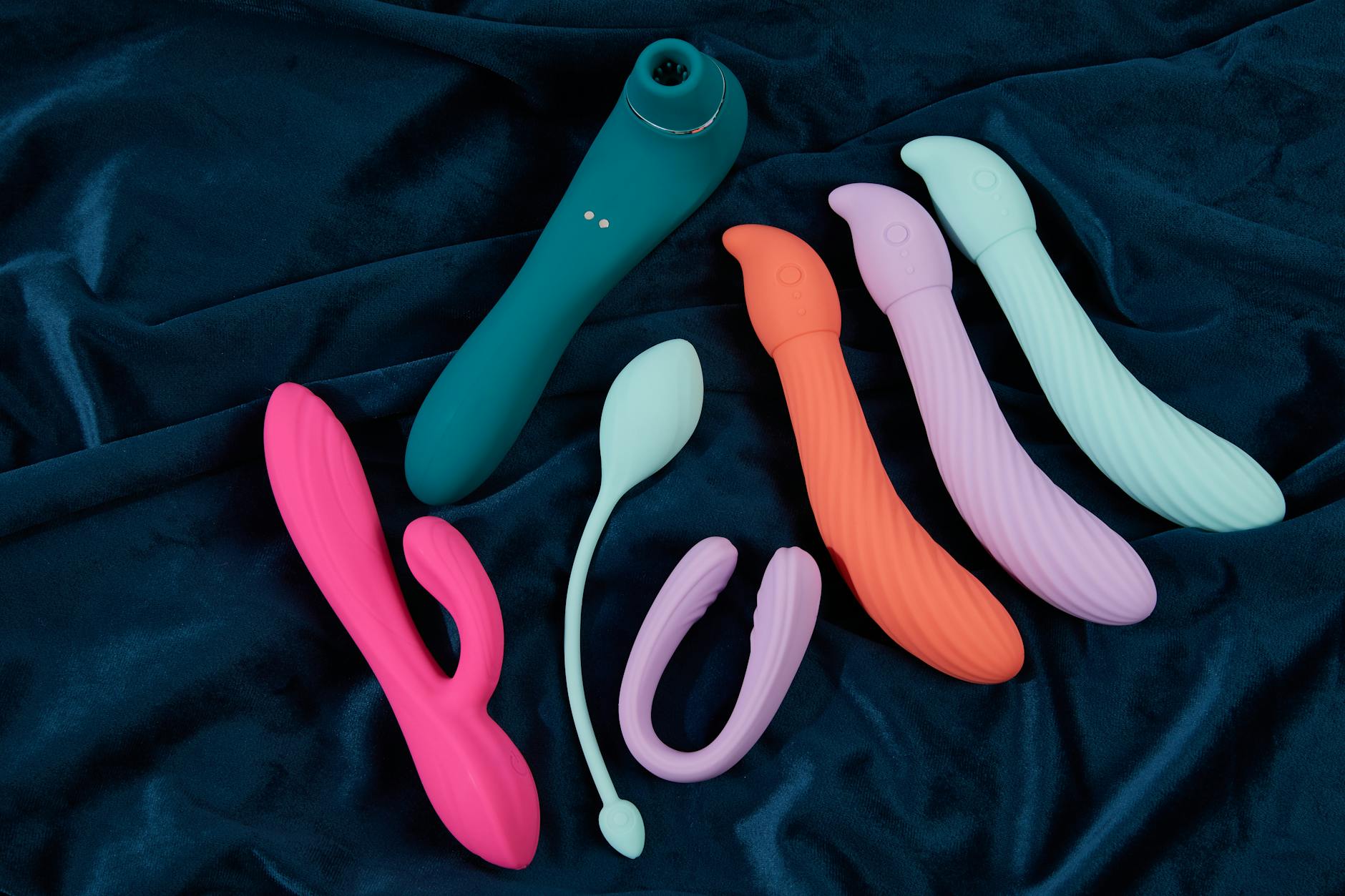
Let's be real about the nervous part
Introducing a lemon vibrator into partnered sex is not inherently awkward. But the way most people do it makes it awkward. You either say nothing and surprise them (which reads as "I don't trust you with this"), or you have a very formal conversation over dinner that sounds like a business proposal. Neither one lands well.
Here's what actually works: a honest, low-stakes conversation that treats it like what it is. Not a referendum on your relationship. Not an admission of dissatisfaction. Just a practical idea that might feel good.
When to bring it up (and when not to)
Timing matters more than you'd think. Don't initiate this conversation when you're mid-conflict, sexually frustrated, or trying to fix something broken. That makes it sound like you're blaming them.
Good moments: after good sex, in a joking text, during a casual chat about self-care or wellness (because that's what lemon vibrators are, honestly). You want them to feel relaxed and non-defensive.
Bad moments: during sex itself, during an argument about desire or frequency, or when either of you is tired or stressed. You're not asking for permission. You're asking for curiosity.
What to actually say
Here's the script I recommend to most couples:
"Hey, I've been thinking about trying something. I found this vibrator called the Lem that uses suction instead of just vibration, and I think it might feel really good. I want to try it together, and I'd love your thoughts on that."
That's it. Three sentences. What makes it work:
- You own the interest ("I've been thinking") without making it about them
- You give specifics (the lemon clitoral vibrator, how it works) so it's not vague
- You invite them in ("together") instead of presenting it as your solo solution
- You ask for their actual response, not just compliance
If they say no, you have a real conversation about why. If they say yes, great. If they seem uncertain, ask what concerns them. Most concerns aren't about the vibrator. They're about what it means.
What they might worry about (and how to respond)
Partners often have anxieties that sound like they're about the toy but are really about something else. Here are the big ones:
"Does this mean I'm not enough?"
No. And here's why. A lemon vibrator doesn't do what your hands or mouth do. It creates a different kind of sensation. Different is not better or worse. It's supplementary. Same way you might both enjoy a toy together during partnered sex, or you might use it solo and then bring that pleasure back to them. It doesn't replace connection. It adds to it.
"Are you not satisfied with our sex life?"
This one needs honesty. If you're actually not satisfied, that's a different conversation. But if you're simply curious about a new sensation, say that. Curiosity and satisfaction aren't mutually exclusive. You can be happy with your sex life and still want to explore.
"I don't want to watch you use it."
Then don't. You can use a lemon vibrator solo, or you can use it together in a position where they can't see it directly. Some people find it hotter to not watch. Others feel more connected if they're not watching. Those are all valid preferences, and you can work around them.
How to actually introduce it into sex
Don't hand them the vibrator during foreplay and expect them to know what to do. That creates more awkwardness, not less.
First time: use it on yourself while they're present and engaged. Let them see how it works, ask if they want to try it, and keep it low pressure. Second time might be them using it on you. Third time, you might use it together in a partnered position.
Start with patterns 1 or 2 on a lemon clitoral vibrator if you have one. Most people jump to full intensity and then feel overstimulated. Slow start, build from there.
If your partner wants to use it on you, give them directions. "A bit lower," "slower pattern," "stay there." Not every partner instinctively knows how to use a suction toy. That's not a criticism of them. It's just different from their hands.
The communication that matters during
Keep talking during and after. "That feels good," "Can we try pattern 3," "I want to come like this." Whatever is true.
After: don't jump straight to sleep or scrolling. Spend two minutes talking about what felt good, what was different, what you might want to try next. That brief check-in turns a potentially weird moment into real connection.
If it doesn't feel good, say that too. "The sensation isn't quite right for me" is useful feedback. You can adjust intensity, angle, duration, or just decide lemon vibrators aren't your thing. That's fine. Not every tool works for every body.
When he's unsure but willing
Some partners won't be enthusiastic. They'll be cautious. That's okay. For partners who are nervous but not opposed, the best approach is to make it easy and low-stakes.
Don't ask them to research it or choose it. You chose. They can just show up and be present.
If they're uncomfortable watching, suggest they focus on other parts of your body or just be nearby and connected in other ways.
Don't treat their hesitation as rejection of you. Often it's just unfamiliarity or insecurity about their role, and that usually fades once they see that pleasure and connection are still there.
The partner who actually wants to take the lead
If your partner brings up the idea first, lean in. Ask them what they've been thinking about, what appeals to them, and what role they imagine for themselves. Some partners want to use a lemon vibrator on you. Some want to watch. Some want to use it solo while you're present.
Honor whatever their vision is. This is their idea, and their willingness to initiate this conversation means they've been thinking about your pleasure. That's the whole point of partnered sex.
If they choose a specific toy, that's their way of paying attention to what works for your body. That deserves recognition.
After the first time
Don't over-discuss it unless there's something to fix. A quick "that was hot" or "I liked that" is enough. Overthinking kills the mood for next time.
If it felt good, just let that knowledge settle. You know it works. You know your partner is open to it. That's the real win. The vibrator is just a tool. The communication is the actual intimacy.
For some couples, it becomes a regular part of partnered sex. For others, it's occasional. For some, the conversation itself is the hottest part, and the vibrator never actually gets used much. All of those are normal.
The point is this: introducing a lemon vibrator into your partnered sex doesn't require a relationship overhaul. It requires honesty, a two-minute conversation, and the willingness to explore something new together. Most of the awkwardness comes from treating it as a big deal. It's not. It's just a better tool for pleasure, and pleasure is something you both deserve.
People also ask
Is using a vibrator with a partner normal?
Completely normal. Research shows that couples who use sex toys together report higher satisfaction and less sexual dysfunction overall. A lemon vibrator, specifically, is designed for clitoral stimulation in a way that doesn't require your partner to stay in one exact position for 20 minutes. That's actually practical.
Will my partner feel insecure if I suggest using a lemon vibrator?
Maybe, but insecurity isn't about the toy. It's about what they think it means. The way you frame it matters enormously. "I want to feel this sensation with you" is different from "I'm not satisfied." One invites them in. The other puts them on defense. Choose your words carefully.
How do I use a lemon clitoral vibrator during partnered sex?
There are several options. You can use it during foreplay before partnered penetration. You can use it during penetration if you're in a position where it's accessible (side-by-side, you on top). Some couples use it while one partner is receiving oral sex. Experiment and see what feels connected and good for both of you.
What if my partner wants nothing to do with vibrators?
That's their boundary, and you respect it. You can still use a lemon vibrator solo. You can still enjoy your partnered sex without one. Not every tool is for every couple. The conversation is valuable even if the answer is no.
Can I surprise my partner with a vibrator, or does it need to be discussed?
Discuss it. A surprise vibrator, no matter how good-intentioned, often reads as "I didn't think you'd agree if I asked." That's the subtext your partner will hear. A 30-second conversation prevents that whole dynamic.
How do I know if we're ready to introduce toys into our sex life?
You're ready when you're both curious and when your baseline sex life feels solid. You're not using toys to fix a broken sex life. You're using them to explore within a sex life that's already working. If you're fighting about frequency or desire, solve that first. Then introduce new tools from a place of abundance, not desperation.