Let's be honest about what happens after
Your body belonged to someone else's rhythm for years. Maybe you had sex on their schedule, learned to want what they wanted, or quietly shut down parts of yourself to keep the peace. Now that person is gone, and your body is just yours again. Except it doesn't feel like yours yet.
This is the part of breakup recovery nobody really addresses. We talk about emotional healing, about leaning on friends, about processing grief. But the body remembers. And sometimes the simplest path back to yourself runs through rediscovering what brings you pleasure on your own terms. That's not frivolous. That's actually where healing lives.
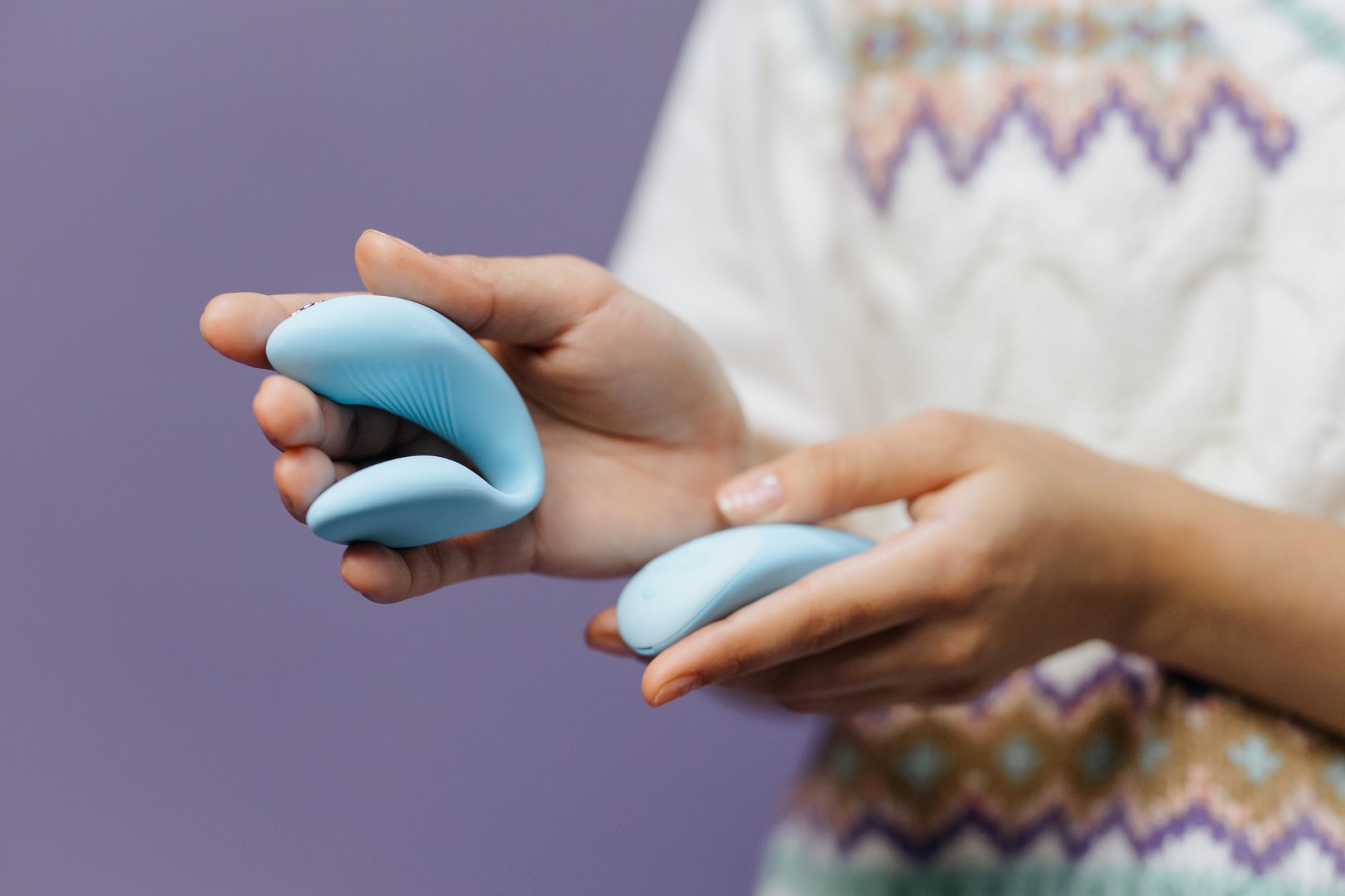
If you're thinking about exploring solo pleasure again using tools like a lemon clitoral vibrator, you're not avoiding the hard emotional work. You're doing it.
Why reconnecting with pleasure after a breakup feels so loaded
First, there's the guilt. If the relationship was bad, you might feel guilty for having spent years not taking your own pleasure seriously. If the relationship was good, guilt shows up differently: am I betraying them by feeling good? Am I moving on too fast? The timeline police in your head are loud.
Then there's the identity piece. For however long the relationship lasted, your sexuality was entangled with another person's. You learned your pleasure in their context, under their gaze, shaped by their preferences. Solo pleasure feels unfamiliar. Maybe even a little lonely.
The physical piece matters too. If sex in the relationship felt obligatory, routine, or painful, your body might have learned to shut down. That protective mechanism doesn't flip off just because the person left. It takes time and deliberate action to reawaken sensation. This is where a lemon vibrator comes in. It's not about performance. It's about reconnection.
What happens neurologically when you start again
When you haven't experienced pleasure solo in a long time, your nervous system needs a clear signal that this is safe. A device like a lemon clitoral vibrator works particularly well here because it offers consistent, predictable stimulation without the variability of a partner's touch. That predictability is actually soothing for a nervous system that's been activated by breakup stress.
The suction stimulation of a lemon vibrator also bypasses some of the sensitivity issues that show up after relationship trauma. If your body is guarded, direct friction can feel invasive. Suction works differently. It stimulates the clitoral nerve network without the same mechanical pressure, which means your nervous system relaxes more quickly.
Over time, this repeated safe stimulation rewires your body's response. You start to remember that pleasure isn't dangerous. You start to trust your own arousal again.
Timing: waiting until you're actually ready
Here's where I'll push back on the wellness-speak suggestion that you should jump straight into solo pleasure as part of "self-care." You don't have to do this on anyone else's timeline. If you just got out of a relationship and the thought of touching yourself feels too vulnerable right now, that's completely valid. Healing isn't linear.
That said, there's a middle ground between forcing it and waiting forever. You're probably ready if: you can think about your own body without resentment, you've had at least a few moments where you felt something other than grief, or you're curious rather than desperate. Curiosity is the green light. Desperation usually means you need more time with a therapist or friend first.
When you do start, there's no rush. Using a lemon vibrator for clitoral stimulation when you're just starting out is about low-pressure exploration. Fifteen minutes alone, no goals, no agenda. See what happens.
The emotional setup that actually helps
Four practical things I recommend to clients rebuilding pleasure after a relationship ends.
Create a specific space. Not your bedroom where you and your partner were. A different room, or even a hotel room if that's possible. Your nervous system needs to know this is a new context. The brain is smart. It will default to old patterns in old spaces.
Name what you're grieving first. Before you touch yourself, spend ten minutes writing down what you're actually sad about. Maybe it's not the person but the identity of being partnered. Maybe it's the years you spent not enjoying sex. Maybe it's anger at yourself. Getting it out of your body and onto a page clears space for something new.
Set a really low intention. Not "I'm going to have an amazing orgasm." Think instead: "I'm going to spend twenty minutes learning what feels good to me right now." The distinction matters because your nervous system is watching. Big expectations trigger performance anxiety, which is the opposite of what you need.
Plan something gentle after. Not a solo spiral. Something small and grounding. Tea. A walk. A shower. Something that says to your nervous system: "This was okay. We're safe."
How to actually use a lemon vibrator for this specific goal
If you're starting fresh, begin with the lowest setting. Not because you're fragile but because you're gathering data. What does this feel like? Does it tickle, buzz, pulse? Your body needs time to register sensation before you crank the intensity.
Where you place it matters. The clitoral glans itself (the tip) is densely packed with nerves but can feel overwhelming if you're just restarting. Try the glans first for just a few seconds, then move to the hood or the area just above. Let your body tell you where feels best. It might surprise you. Most people discover through exploration that they actually prefer stimulation slightly off-center from where they thought.
Time is your friend here. Ten minutes of consistent, medium stimulation will usually build more sustainable arousal than three minutes of high-intensity buzzing. You're rewiring your nervous system to trust gradual build rather than quick peaks.
Organ happens when your body is ready, not on a schedule. Some people come easily the first time back. Some take weeks of exploration before anything releases. Both are completely normal. The goal is sensation and presence, not a specific outcome.
Managing the feelings that show up
Pleasure has feelings attached. You might feel:
Shame. Old voices telling you this is selfish or wrong. Those voices usually belong to the relationship, or to your family of origin. Notice them, don't fight them, let them pass. Keep going.
Grief. Sometimes midway through touching yourself, sadness hits. Let it. Your body is processing. Pause if you need to, breathe, then continue if you want to. Pleasure and grief can exist in the same moment.
Anger. Especially if sex in the relationship was withholding or painful. Anger during solo pleasure is usually your body reclaiming itself. That's actually healthy. It's not something to push away.
Nothing. Numbness. That's the protective mechanism your nervous system learned. This one takes the longest to shift, but it does shift with consistent, gentle exposure.
You're not broken if you feel any of these. Your body just experienced years of entanglement and now it's relearning its own frequency.
When to bring a partner back in
You're probably ready to explore pleasure with someone new when solo pleasure starts to feel comfortable again, and when you can distinguish between your own desire and old relationship patterns. That usually takes three to six months of consistent solo exploration, though it's different for everyone.
The gift of rediscovering pleasure alone first is that you'll know what you actually like. Introducing a lemon vibrator to your partner without awkwardness becomes so much easier when you're not performing or guessing. You can say: "Here's what I discovered feels good. Let's build from there."
You also enter a new relationship knowing your body is not negotiable. You're not splitting yourself to fit someone else's timeline. That's transformative.
The permission piece
Most people coming out of long-term relationships have spent so long attending to someone else's needs that they've forgotten they're allowed to have desires. Pleasure for pleasure's sake. Sensation just because it feels good. No one else involved, no one else to consider.
This is the real permission. Not that lemon vibrators are good or bad, modern or controversial. Just that your body is yours. Your pleasure is legitimate. Spending thirty minutes discovering what your own clitoris actually likes, without anyone else in the room, is not selfish. It's sovereignty.
FAQ: Pleasure after a breakup
Is it normal to feel guilty about having pleasure after a breakup?
Completely normal. Your nervous system spent years in a relational context. It's disorienting to pleasure yourself without that context. The guilt usually fades as the new habit settles in. If it persists after a few months, talking to a therapist about what specifically the guilt is attached to can help.
How long should I wait after a breakup before exploring solo pleasure?
There's no timeline. Some people are ready within weeks. Some need a year or more. Ready usually looks like: you can think about your own body without resentment, you feel curious (not desperate), and you've processed the initial shock. If you're not ready, that's okay. Forcing it before your nervous system is prepared usually backfires.
What if I just feel numb when I try to masturbate?
Numbness is a protective response. Your nervous system learned that by shutting down sensation, it could survive difficult relationships. This is incredibly common and it does shift. It usually takes consistent, patient exploration over weeks or months. Low-pressure sessions with a lemon clitoral vibrator work well here because the tool provides external stimulation your nervous system doesn't have to generate alone.
Can I use a lemon vibrator if I'm still grieving the relationship?
Yes. Grief and pleasure aren't mutually exclusive. Some of the deepest healing happens when you allow both to coexist. You can feel sad about the loss and also curious about your own body. If anything, pleasure can be part of the grieving process. It's your body saying: "I'm still here. I'm still worthy."
Should I tell my therapist I'm using a lemon vibrator for solo exploration?
If you have a therapist, yes. A good therapist will recognize this as healthy self-care and may ask questions to understand your emotional state during exploration. This information is actually useful in assessing your healing trajectory. If your therapist acts uncomfortable or judgmental, that might be a sign you need a different therapist.
What if I can't afford to buy a vibrator?
You don't need one. Hands work. Shower massage settings work. Pillows work. The device is optional. Some people heal their relationship with pleasure using only their own touch. A lemon vibrator might eventually feel worth the investment because of its specific design and suction stimulation, but it's not necessary to reconnect with your body.
What you're actually doing
When you set aside time to explore pleasure after a long-term relationship, you're not being selfish. You're not rushing into something you're not ready for. You're doing the specific work of telling your nervous system that your body is safe, that your pleasure matters, and that you're worth your own attention.
That's not a distraction from the emotional healing. It's part of it. Your body has memory and wisdom. Touching yourself with care and curiosity is how you reclaim it.
If you have questions about how to navigate this transition or want to talk through your specific situation, get in touch. You don't have to figure this out alone.