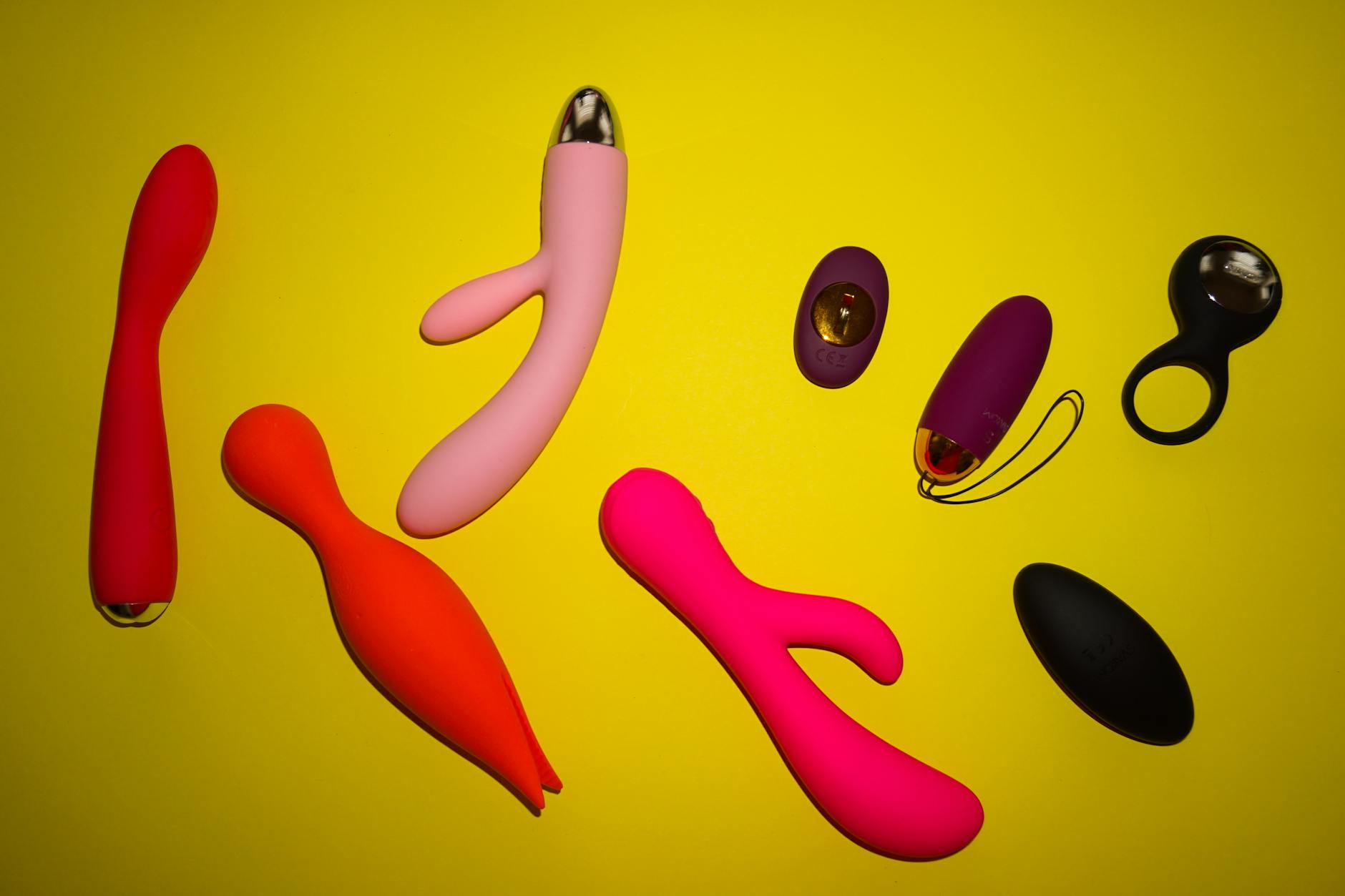
Okay so here's the thing about vibrators
You probably think all clitoral toys work the same way. Buzz means buzz, right? Wrong. There's a massive difference between a classic vibrator that shakes at high frequency and an air-pulse toy like a lemon vibrator that creates suction and release sensations. And knowing which one your body responds to can literally change your whole pleasure experience.
I'm not exaggerating. Most people have never tried one type or the other and just stick with whatever landed in their life first. But if that first toy isn't actually designed for how your nervous system works, you're leaving significant sensation on the table.
Let me break down what's actually happening with each style, who tends to prefer what, and how to figure out which camp you belong in.
How traditional vibrators actually work
A standard vibrator creates pleasure through rapid, repetitive movement. The motor oscillates side-to-side or up-and-down at a specific frequency, usually measured in hertz. Higher hertz equals faster vibration. Most classic vibrators range from 30 Hz to 100+ Hz.
Here's what that feels like on sensitive tissue: consistent buzzing stimulation that builds arousal through direct mechanical contact. The sensation is relatively predictable. Once you find the right speed, you can maintain it indefinitely.
For many people (especially those who learned their pleasure with a classic vibrator), this is exactly what works. You know the rhythm, your body knows how to respond, and it's reliable. There's something calming about that predictability.
The catch? Some people find constant, high-frequency buzzing irritating or numb-inducing. It can feel too intense on sensitive skin, or conversely, too surface-level to build deeper arousal. If that's been your experience, you're not broken. You might just need a different technology.
How air-pulse suction toys actually work
A lemon vibrator or other air-pulse clitoral toy works completely differently. Instead of vibrating, it uses gentle suction combined with pulsing air waves to stimulate the clitoris and surrounding tissue.
Here's the mechanics: the toy creates a seal around the clitoral area, then rapidly pulses air in and out of that seal. The sensation is less about aggressive buzzing and more about rhythmic pressure and release. It stimulates a larger area of tissue, not just direct point contact.
Most people describe air-pulse toys as feeling like gentle sucking or oral sensation. The stimulus builds gradually, and many people report experiencing sensations that feel deeper or more full-body than traditional vibration alone.
The big difference? You're not fighting numbness or overstimulation because the sensation is fundamentally softer and more varied. The rhythm of suction and release creates a push-pull effect that some people's nervous systems respond to much more intensely than constant buzzing.
Physical sensations: suction versus buzz
Let's get specific about what your body actually feels.
Traditional vibration creates a buzzing sensation that's consistent and localized. The stimulation happens at the point of contact. If you're using a classic vibrator, you feel direct stimulation of the clitoral glans and surrounding area. The sensation is immediate and relatively constant once you turn it on.
Air-pulse suction creates a pulling sensation, like gentle suction. But because it's pulsing (on and off, on and off), it creates a rhythmic building and release. This activates not just the clitoris itself, but the broader clitoral network, including internal structures. Many people find that air-pulse toys create more of a full-body arousal pattern rather than localized buzzing.
Another key difference: durability of sensation. Traditional vibrators can eventually lead to sensation adaptation. Your nervous system gets used to the same frequency at the same intensity, and you may need to use it longer or at higher speeds to achieve the same response. Air-pulse toys, because they work with rhythm and pressure variation rather than pure speed, tend to avoid that plateau.
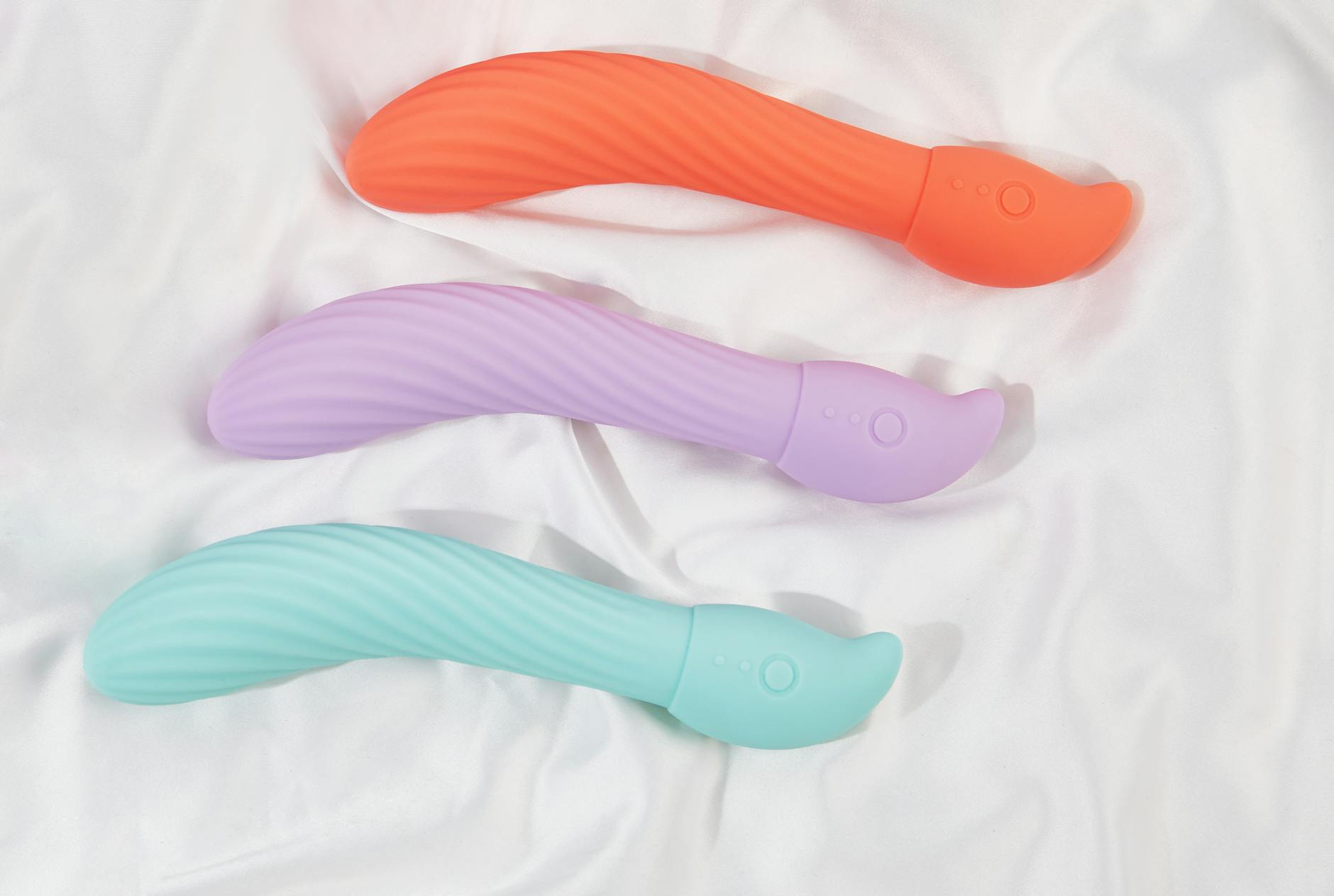
Photo by IFONNX Toys on Pexels
Who tends to prefer suction over traditional vibration
Not everyone. Here's who usually gravitates toward air-pulse toys like the Lem.
People who find direct vibration too intense. If you've tried a classic vibrator and felt like the sensation was too strong, too numb-making, or too buzzy, suction toys offer a gentler entry point. They deliver significant sensation without the aggressive frequency.
People who've experienced numbness. If you've used the same vibrator for years and noticed the sensation getting duller, it's probably adaptation. An air-pulse toy uses a fundamentally different stimulus pathway, so it often feels novel and intense again.
People drawn to oral sensation. Some people's bodies respond much more strongly to sucking or oral-like stimulation than to direct friction. If that's your preference with a partner, an air-pulse toy often recreates that sensation more authentically than a vibrator does.
People who want variable stimulation. Traditional vibrators have one job: vibrate at a chosen speed. Air-pulse toys offer different pulse patterns, intensity levels, and suction strengths. If you like novelty and variation within a single session, suction toys give you more options to play with.
People with sensitive or thin tissue. After menopause, during certain medications, or simply due to individual physiology, some people have more delicate genital tissue. The sustained vibration of a classic toy can feel raw or irritating. Air-pulse suction is usually gentler on sensitive skin while still delivering intense sensation.
Who still prefers traditional vibration (and that's completely valid)
Plenty of people find that classic vibrators are exactly right for their bodies, and there's zero reason to switch.
People with established pleasure patterns. If you've been using a vibrator for years and it works reliably, changing isn't necessary. Pleasure isn't about novelty for its own sake. It's about what gets you off.
People who prefer consistency. Some nervous systems like predictability. You turn it on, you know what's coming, your body settles into the rhythm. That reliability is genuinely valuable.
People who respond to direct, high-frequency stimulation. Not everyone needs or wants gentle pulsing. Some people prefer concentrated, intense, consistent buzz. That's not "wrong." It's just how their body works.
People on a budget. Traditional vibrators are generally cheaper than high-tech air-pulse toys. If cost is a real factor, a solid vibrator is a completely reasonable choice.
How to figure out which one is actually for you
Honestly? There's no foolproof way to know without trying. But here are some reliable indicators.
If you've never used any toy, think about what sensations you prefer during partnered sex. Do you like direct stimulation or broader pressure? Do you respond to sucking sensation or prefer friction? That preference usually translates to toy preference.
If you've used a vibrator before, reflect on whether it worked for you. Did you need to use it for a long time to reach orgasm? Did the sensation feel right, or did it feel like you were tolerating it? If you felt like you were fighting your body's response or waiting for numbness to wear off, an air-pulse toy is probably worth exploring.
If you have sensitive tissue (postpartum, post-menopausal, or naturally delicate skin), air-pulse suction is statistically more likely to feel better than sustained vibration. But everyone's different, so take that as a starting point, not gospel.
The honest comparison: price, intensity, and learning curve
Price. Traditional vibrators start around 30 dollars and go up from there. High-quality air-pulse toys like the Lem start around 89 dollars. That's a real difference. If you're testing the waters, a vibrator is lower-stakes financially.
Intensity. Both can deliver intense sensation. Vibrators tend to reach intensity faster and harder. Air-pulse toys build intensity more gradually but can sustain it longer. Which one feels "intense" to you is neurological, not mechanical.
Learning curve. Vibrators are plug-and-play. Air-pulse toys have multiple settings and patterns, which is great for variation but requires some exploration. If you want something you can pick up and use immediately, a vibrator is simpler.
Portability. Most vibrators are smaller and quieter than air-pulse toys. If you travel or live with roommates, that matters.
Longevity. Both last years with proper care. Air-pulse toys, because they use suction technology, require slightly more careful cleaning and storage. Vibrators are more forgiving.
Combining both: why some people use both
Here's the secret that nobody talks about: you don't have to choose.
Many of my clients use both. A vibrator for quickies or when they want something straightforward, and an air-pulse toy for longer sessions where they want to explore different sensations and patterns. Some people use them together, even. Vibrator on one area while using a lemon vibrator on another.
Your pleasure toolkit doesn't need to fit into a single box. Try something new, and if it works alongside what you already have, great. If it becomes your go-to, that's great too. If it doesn't land, no loss.
Making the choice actually simple
If you're drawn to air-pulse toys because traditional vibration hasn't worked well for you, try one. The Lem is designed specifically to deliver gentle suction without the harshness of high-frequency buzz, and it's backed by customer data showing it works well for people transitioning from vibrators.
If you're happy with what you have, stay there. Pleasure isn't about having the trendiest toy. It's about knowing your body and giving it what it needs.
The real win is understanding that there are different technologies, different sensations, and different approaches. You're not broken if a vibrator didn't work. You just might need a different tool.
FAQ: What people actually ask about suction versus vibration
Is suction stimulation safer than traditional vibration?
Both are safe when used as intended on intact tissue. Air-pulse toys have slightly lower injury risk because they don't vibrate at high frequencies, so there's less risk of tissue irritation from sustained buzzing. But safety comes down to proper use and cleaning, not the technology itself. Always use with adequate lubrication if needed, and never use on broken or extremely irritated skin.
Can you use suction toys if you have a very sensitive clitoris?
Yes, actually. Many people with sensitive clitorises find suction gentler than vibration because the sensation is less direct and more diffuse. You're not hammering a single point with frequency. You're creating pressure and release around a broader area. Start with the lowest suction setting and work up. If it still feels too intense, a lower-intensity air-pulse toy might be better than a traditional vibrator for your body.
Do suction toys take longer to reach orgasm with?
No consistent pattern. Some people orgasm faster with suction because the sensation feels more aligned with how their body works. Others take longer because they're exploring a new sensation. It's individual. Most people report that after a few sessions with a new toy type, they develop the same speed of response they had with their previous toy.
Can you get sensation adaptation with air-pulse toys like you do with vibrators?
It's possible but less common. Because the sensation relies on pattern variation and pressure rhythm rather than pure frequency, your nervous system doesn't adapt the same way. That said, if you use an air-pulse toy daily at the same intensity and pattern, you might eventually want to switch it up. Most people don't use toys that frequently, so it's rarely an issue.
Are lemon vibrators specifically better than other air-pulse toys?
Lemon-shaped clitoral vibrators like the Lem are designed with a specific geometry that creates optimal suction contact. The shape fits the clitoral area well and distributes suction evenly. But "better" depends on your anatomy and preference. Some people prefer different shapes or suction strengths. The Lem works reliably for most people, especially those new to air-pulse toys.
What if you want both sensations at once?
Use both toys simultaneously. A vibrator on your clitoris and an air-pulse toy elsewhere, or vice versa. Some people layer them. Others prefer to alternate within a session. Your nervous system can absolutely handle multiple sensation types. In fact, that variation often leads to much more intense experiences.
If you're curious about air-pulse toys but aren't sure which one aligns with your body, start by checking out the complete guide to lemon vibrators for more detailed information on how these toys work and which styles suit different needs. And if you have questions about choosing your first toy or switching from vibration to suction, we're here to help. Reach out anytime.