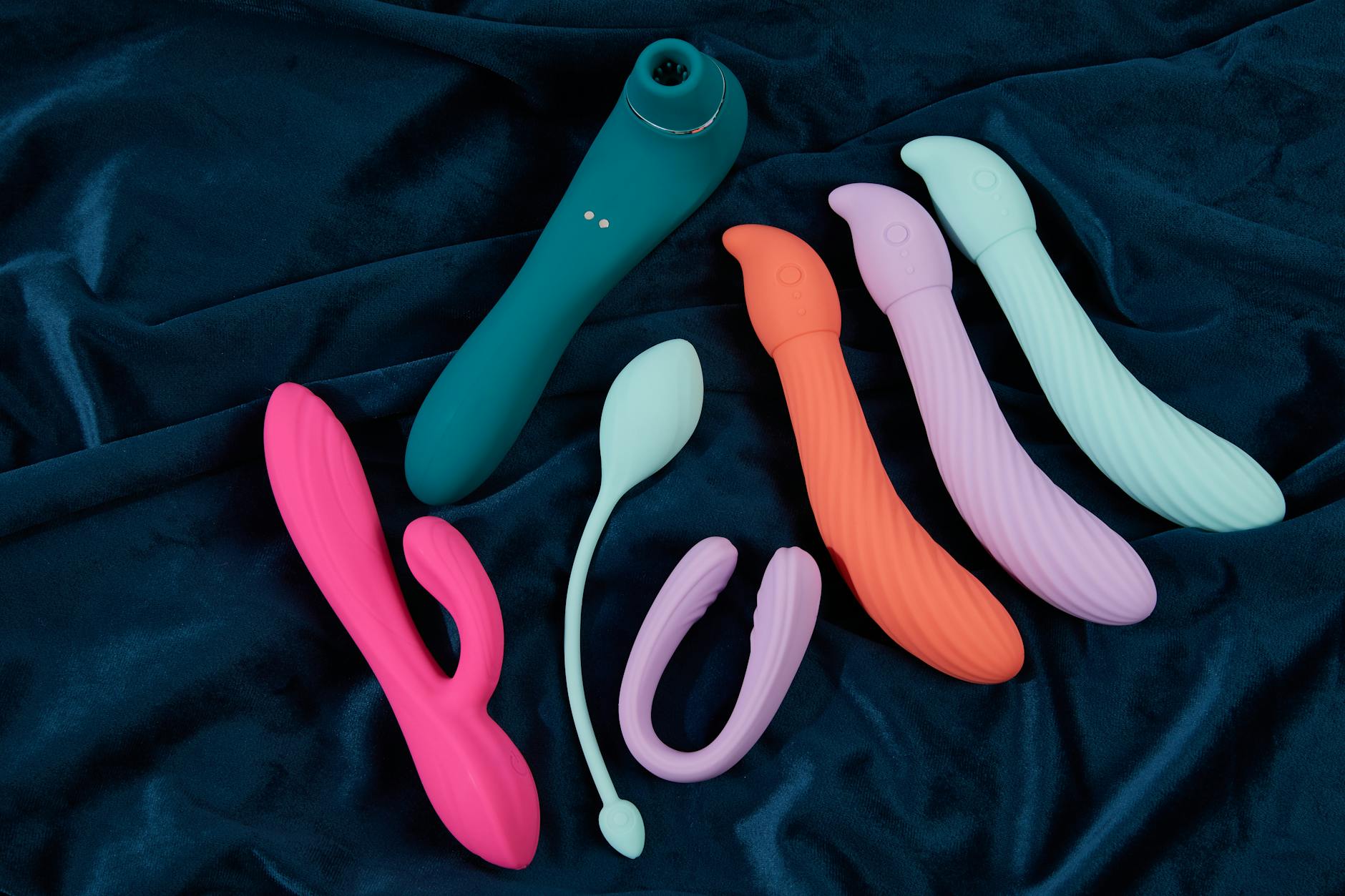
Here's what nobody tells you about pleasure and cycles
Your lemon clitoral vibrator doesn't change. Your nervous system does. Every 28 days or so, your hormone levels shift in ways that fundamentally alter how stimulation feels, how quickly you build arousal, and what intensity actually works. This isn't in your head. It's measurable, predictable, and once you understand it, it stops feeling random.
I've worked with hundreds of people who thought their vibrator was broken or their body was broken, when really they were just using the same device the exact same way regardless of where they were in their cycle. That's like turning the volume to 10 every single day and being confused when some days it feels too loud.
How your cycle shifts sensitivity
Your clitoris literally changes size and blood flow throughout the month. During the follicular phase (roughly days 1 to 14), as estrogen rises, clitoral tissue becomes increasingly engorged. This makes it more sensitive to touch, which sounds good until you realize that more sensitive doesn't always mean more pleasure. It can mean overwhelmed.
During ovulation, sensitivity peaks. Blood flow is at maximum. This is typically the window where intense stimulation feels best, where you might reach orgasm faster, and where suction devices like lemon vibrators deliver the most reliable response. The nerves are primed. Your body is literally designed to feel heightened sensation right now.
Then comes the luteal phase (days 15 to 28), when progesterone rises and estrogen drops. Clitoral tissue becomes less engorged. Sensitivity decreases. You need more sustained, less intense stimulation to build the same level of arousal. If you try to use ovulation-level intensity during this phase, it often feels harsh or numbing instead of pleasurable.
Why intensity matters more than pattern
Most people think the issue is the vibration pattern. They're not wrong, but they're not the core problem. What actually shifts is your tolerance for intensity.
In the high-sensitivity window (ovulation and early follicular phase), you might love pattern 2 or 3 on a lemon clitoral vibrator. Pattern 1 feels dull. Pattern 5 feels aggressive. During the low-sensitivity window (late luteal phase), pattern 5 suddenly feels right. Pattern 1 feels like nothing.
The good news: lemon vibrators, which use suction rather than direct vibration, handle this shift better than traditional wand vibrators. Suction stimulates the tissue without the same intense pressure point. You can use the same device throughout your cycle by adjusting intensity and warm-up time, not by switching tools entirely.
What actually changes during each phase
Follicular phase (days 1 to 14)
Early in this phase, right after your period, sensitivity is lowest. Arousal takes longer to build. But as you move toward ovulation, sensitivity climbs. This is when many people describe foreplay as feeling more intense and pleasurable. If you use a lemon sucker during this phase, start at lower intensities and let yourself warm up for 10 to 15 minutes before increasing the pattern.
Ovulation window (roughly days 12 to 16)
This is peak sensitivity and peak arousal capacity. Your body is literally optimized for pleasure right now. You might reach orgasm faster, feel more intense sensations, and prefer higher intensities. Some people can orgasm multiple times during this window when they struggle earlier in their cycle. If you're going to experiment with a new lemon vibrator or push intensity levels, this is the ideal testing ground.
Luteal phase (days 17 to 28)
Sensitivity drops. Progesterone rises, which can make everything feel muted. You're not broken. Your tissue is genuinely less engorged, less responsive. This phase needs patience. Use longer sessions, lower intensities initially, and remember that you might not feel pleasure the same way you did a week earlier. Some people benefit from partnered touch during this phase, because hands offer variable pressure that's sometimes more satisfying than a fixed device intensity.
How to adapt your routine throughout the month
Get curious, not frustrated. Track three things for two or three months: what day of your cycle you're in, what intensity you actually used, and how you felt.
Most people notice their own pattern quickly. You might find that pattern 3 feels perfect days 12 to 16, but you need pattern 5 by day 24. Or you might discover you want 20 minutes of foreplay during the luteal phase but only 5 during ovulation.
There's no "right" intensity. Your preferences aren't inconsistent. They're responsive to your physiology. That's information, not failure.
One practical shift: during low-sensitivity windows, extend your warm-up time instead of bumping intensity. Let the suction work gently for several minutes. Give tissue time to engorge and awaken. You'll often find that patience delivers what force doesn't.
When to bring your partner in (if you have one)
If you're with a partner, telling them about your cycle patterns removes a huge amount of invisible emotional labor. You don't have to wonder why you're not interested. You don't have to fake enthusiasm. You can say, "I'm in my luteal phase. I want to take this slower tonight," and suddenly everything makes sense.
Many couples find that understanding these shifts actually increases connection because the guesswork disappears. You're not rejecting them. Your nervous system is just in a different state. That distinction matters.
The role of stress and sleep (which mess with everything)
Your cycle is just the baseline. Stress, poor sleep, and dehydration all suppress arousal capacity and sensitivity. You can be in your ovulation window and feel numb if you haven't slept properly or you're running on cortisol.
This is why tracking your cycle alone isn't enough. You also need to track sleep, stress levels, and hydration. Some people find that one good night of sleep during a low-sensitivity phase does more for pleasure than any device adjustment.
Why suction vibrators work better across all phases
Traditional wand vibrators deliver vibration through direct pressure. This works beautifully during high-sensitivity windows but can feel overwhelming or numbing during low-sensitivity phases. A lemon clitoral vibrator uses gentle suction instead, which stimulates tissue without the same pressure intensity.
This means you have more flexibility throughout your cycle. You can use the same device at the same intensity setting and adjust only the warm-up time and the patterns you choose. You don't need to buy a drawer full of toys for different phases. One good lemon sucker covers the whole month.
The people also ask section
Why do I feel more pleasure during ovulation?
Your clitoris is literally more engorged with blood during ovulation because of hormonal shifts. Tissue swelling increases nerve density in the area and makes nerves more responsive to stimulation. It's not psychological. The physical architecture of pleasure peaks during ovulation, which is why many people experience faster orgasms and more intense sensations.
Can I use my lemon vibrator the same way every day?
You can use it every day, but you'll get better results if you adjust intensity and warm-up time. The device stays the same, but your nervous system doesn't. Think of it like adjusting the volume on a speaker depending on the time of day. The speaker works fine. You just need different settings in different contexts.
What if my cycle isn't exactly 28 days?
That's completely normal. Cycles range from 21 to 35 days and still be healthy. The pattern is what matters, not the exact number. Track your own cycle for two months and you'll see the pattern specific to your body. Then use that pattern to anticipate sensitivity shifts.
Does birth control change how my vibrator feels?
Yes. Hormonal birth control flattens out hormone fluctuations, which means sensitivity feels more consistent throughout the month. Some people on birth control find they have less dramatic peaks and valleys. This isn't bad. It just means you might not experience the same intensity shifts and can stick with a consistent device setting.
Why does my partner say my response feels different depending on the day?
Because it is different. Clitoral tissue engorges and de-engorges throughout the cycle. Your partner can actually feel the difference in tissue firmness and blood flow. This is one reason why opening this conversation can be so liberating. It's not about your attractiveness or their skill. It's biology.
Is tracking my cycle obsessive or controlling?
No. Tracking is information gathering. You track your sleep because it affects your mood. You monitor your caffeine intake because it affects your energy. Tracking your cycle so you understand your own pleasure is self-knowledge, not obsession. It actually gives you more freedom because you stop blaming yourself for totally normal physiological shifts.
The bottom line
Your pleasure cycles. Your lemon clitoral vibrator doesn't need to. Understanding your cycle's effect on sensitivity, arousal speed, and preferred intensity turns guesswork into strategy. You're not broken. You're not inconsistent. You're responsive to your own biology, which is exactly how you're supposed to work.
If you're ready to explore how to dial in your own pleasure across your cycle, start by tracking just one variable for 30 days: the intensity level you naturally reach for at each stage. That single piece of data will likely shift how you approach your own pleasure.
Your body's changes aren't inconvenient. They're information.
Have questions about how your pleasure works or want personalized guidance on building a sustainable routine? Reach out anytime.