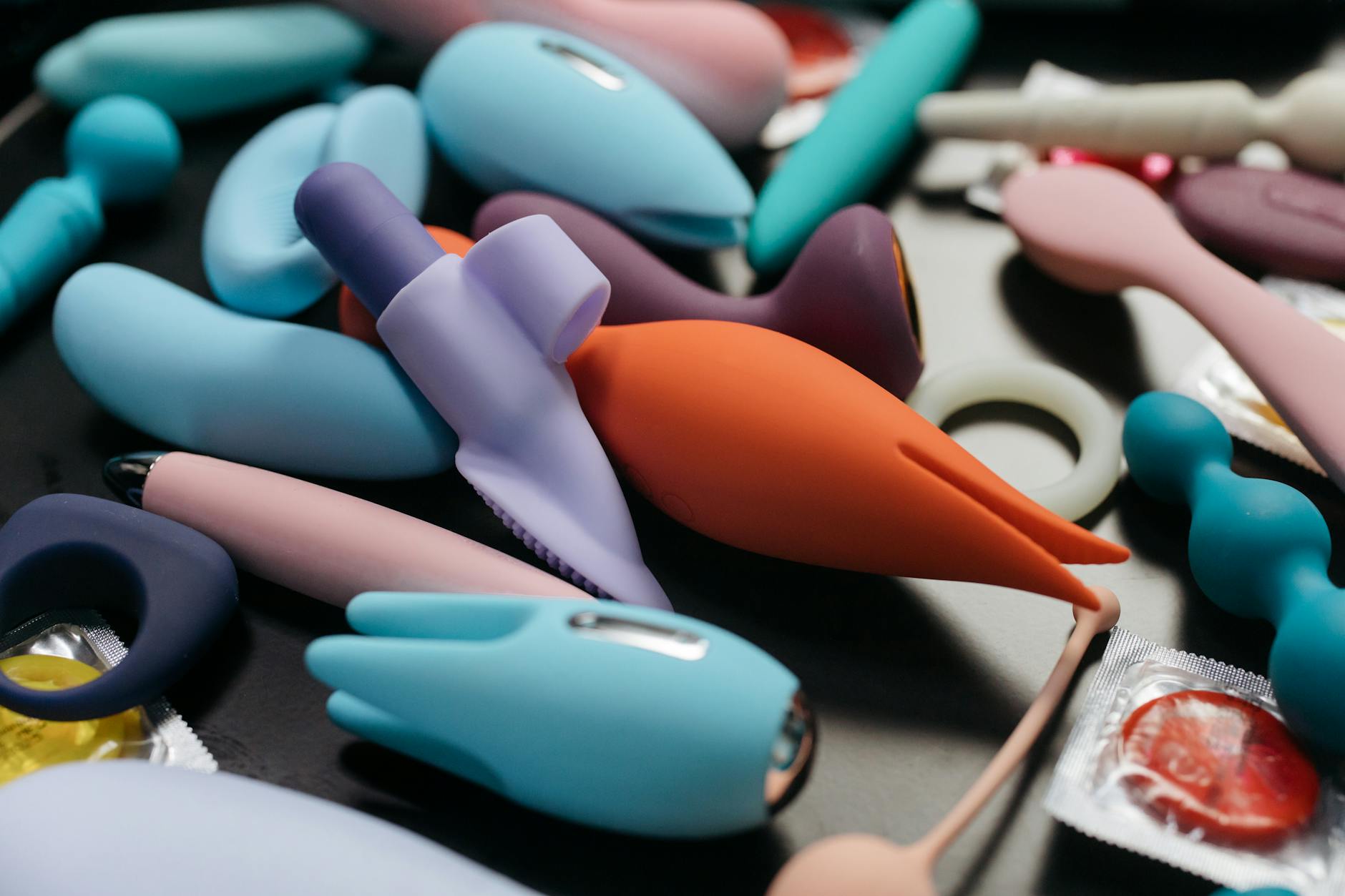
Here's the thing about stress and sex
Your nervous system doesn't know the difference between a work deadline and a predator. When you're stressed, your body floods with cortisol and adrenaline. Your amygdala, the brain's alarm system, is screaming. Blood redirects from your genitals to your muscles. Arousal isn't just difficult. It's biochemically suppressed.
This is why "just relax" advice is useless. You can't think your way out of fight-or-flight. But you can use the right tool to convince your body that it's actually safe enough to feel pleasure.
That's where lemon vibrators, specifically ones using suction technology, become genuinely useful. Not as a band-aid. As a reset mechanism for your nervous system.
Why suction works when your body is stuck in stress mode
Most vibrators try to build arousal through rhythm and sensation alone. Your brain has to actively focus on the sensation, interpret it as pleasurable, and signal your body to respond. When you're stressed, that neural pathway is already flooded with noise.
Suction-based clitoral vibrators like the lemon work differently. Instead of requiring active focus, they create a consistent, rhythmic pressure pattern that your nervous system recognizes as safety. The suction mimics the sensation of oral stimulation, which has deeper, more primitive neural pathways. Your brain doesn't have to think about it. Your body responds.
More importantly, suction creates a localized, building sensation rather than broad vibration. For someone in stress mode, this is the difference between background noise and a clear signal. The sensation is direct enough that your mind can latch onto it and stop spiraling.
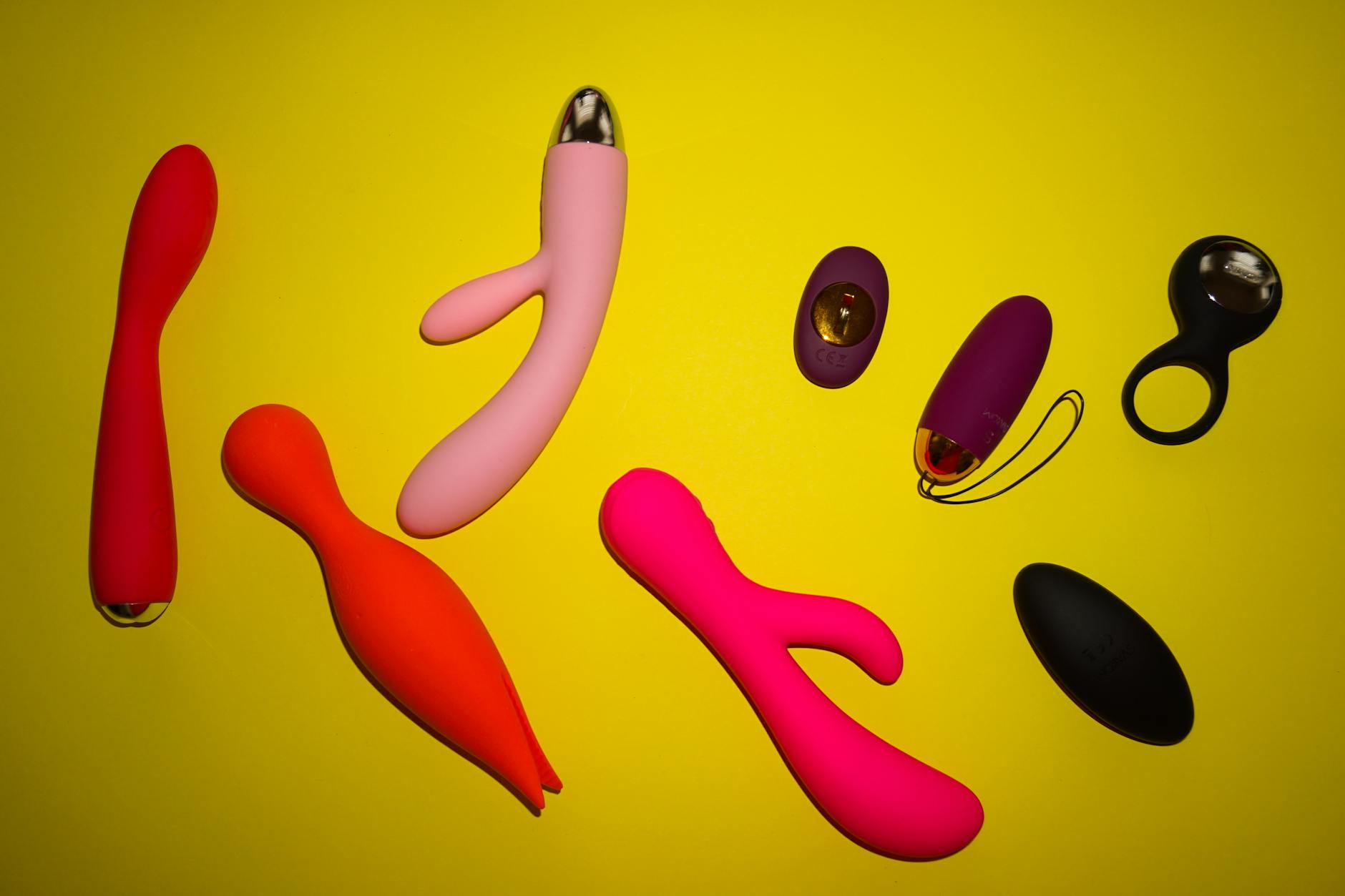
Photo by FounderTips on Pexels
The stress cycle that kills desire (and how to interrupt it)
Stress doesn't just reduce arousal in the moment. It creates a feedback loop. You feel less desire, which makes you anxious about not feeling desire, which increases cortisol, which flattens desire even further. After weeks or months of this, many people believe they've lost the capacity for pleasure entirely.
You haven't. Your nervous system is just stuck in the wrong mode.
Using a lemon vibrator breaks this loop by interrupting the anticipation phase. Usually, when you're stressed, you have to work up the nerve to even consider sex. That mental labor itself is exhausting. Instead, you can skip past that and go straight to sensation. Once your body experiences pleasure, your nervous system gets proof that safety is possible. The anxiety begins to loosen.
This is why the first experience often feels revelatory. It's not that sex suddenly got better. It's that your system remembered it could shift out of high alert.
How to set yourself up for success
Timing matters more than most people realize when you're working with a stressed nervous system.
Pick a time when you're not in active crisis mode. Not two hours after a difficult meeting. Not on a night when your partner is angry. Ideally, a moment when you've had at least a 30-minute buffer after whatever was stressful. Your cortisol needs time to decline naturally.
Remove decision-making friction. Stress exhausts your executive function. The fewer choices you have to make, the better. Set up a space in advance. Put your lemon vibrator somewhere accessible. Use the same location each time if possible, because routine signals safety to your nervous system.
Start with lower suction levels. When you're stressed, your tissue is often more sensitive and less responsive. Begin at settings 1 or 2, even if you normally use higher levels. Your body needs permission to warm up without overwhelm.
Give yourself 15 to 20 minutes minimum. Stressed nervous systems need buffer time. The first five minutes might feel stiff or even awkward. That's normal. By 10 minutes, your body usually begins to shift. Push through to 15 at least.
The mindset shift that actually makes a difference
Honestly, this is where most people get stuck. You've been told for so long that sex should be spontaneous, natural, effortless. Stress already makes you feel broken. Now you're adding a tool to the mix, which can feel clinical or desperate.
It's neither.
Using a lemon vibrator when you're stressed is an act of self-care in the most literal sense. You're saying to your nervous system: your pleasure matters enough to be intentional about. You're not fixing yourself. You're resourceful enough to know what helps and brave enough to use it.
And practically, removing spontaneity removes pressure. You're not waiting for a moment of natural desire that might never come. You're creating the conditions where desire can emerge. That's powerful.
What to expect in the first week
Many people report that the first few sessions feel strange or disconnected. You might even feel a bit numb. That's not failure. That's your nervous system slowly believing that it's safe to feel again. Numbness is the default when you're constantly stressed. Sensation is the reset.
By the third or fourth session, most people notice a shift. The sensation starts to build faster. Your body responds more readily. You might orgasm, or you might not. Either is fine. The point is that pleasure is becoming accessible again rather than locked behind anxiety.
After a week or two of regular use, many people report that their desire outside of these sessions begins to return. You start noticing attraction again. Your partner might feel more approachable. This isn't coincidence. Your nervous system has neuroplasticity. Prove to it that safety is possible, and it starts to look for safety in other areas of your life.
Combining the lemon vibrator with actual stress management
I want to be clear: a clitoral vibrator is not a substitute for addressing the underlying stress.
If you're stressed because of a genuinely difficult life situation, the lemon vibrator helps your body feel better in that moment and reminds your nervous system of its capacity for pleasure. That's valuable. But it's not solving the problem.
The most effective approach combines three things. First, actual stress management. That might be therapy, exercise, time off, boundary-setting with your partner, or medication. Something that addresses root causes, not just symptoms.
Second, using the lemon vibrator regularly, because it rebuilds the neural pathway between stress and desire that's been interrupted.
Third, and this is where I come in as a relationship coach, reconnecting with your partner if you have one. If stress has flattened your desire and your partner doesn't understand, the intimacy suffers. Being able to say, "I'm using this tool to rebuild my capacity for pleasure, and I'm also addressing the stress itself," turns the vibrator from something that might feel isolating into something that actually strengthens the relationship.
When to reach out for more support
If you've been using a lemon vibrator regularly for three weeks and you're not noticing any shift in sensation or arousal, something else might be happening. This could be medication side effects, deeper trauma, or a relationship dynamic that's fundamentally unsafe.
None of these are things a vibrator alone can fix. How to Use a Lemon Vibrator After Stopping Antidepressants covers medication in more depth. For relationship dynamics, that's genuinely worth discussing with a therapist or coach.
If you've experienced sexual trauma, using a device in your own space on your own terms can sometimes feel empowering, but it can also trigger memories. Move slowly, check in with yourself, and consider working with a trauma-informed therapist.
And if stress is rooted in relationship conflict, the vibrator can help you feel better individually, but How Lemon Vibrators Fit Into Long-Term Relationships Over Time addresses how to rebuild intimacy as a couple.
Frequently asked questions
Can a lemon vibrator actually help with stress-related arousal loss, or is it just a placebo?
It's not placebo, though belief helps. Suction stimulation triggers specific neural pathways and increases blood flow to the clitoris. When your nervous system is in fight-or-flight, arousal is literally suppressed at the physiological level. A lemon vibrator bypasses some of that by providing consistent, localized sensation that's strong enough to compete with stress noise in your brain. The mechanism is real. That said, if your stress is extreme or ongoing, the vibrator helps your body feel better but doesn't solve the underlying problem.
How often should I use a lemon vibrator if I'm dealing with stress?
Three to four times per week is a solid starting point. You want enough consistency that your nervous system recognizes the pattern and begins to expect pleasure rather than anticipate pain. Too infrequent, and you don't build the neural pathway. Daily use isn't necessary unless you find it helpful. Listen to your body. Some weeks you might need it more. Other weeks, as your stress decreases, you might want it less.
Does using a lemon vibrator when stressed mean I've given up on "natural" desire?
No. You've made a strategic choice to use a tool that helps. The phrase "natural desire" is doing a lot of work here, and most of it is shame. People use tools for everything else in their lives. A coffee maker doesn't make caffeine unnatural. A therapist doesn't make emotional processing unnatural. A lemon vibrator doesn't make pleasure unnatural. It makes pleasure accessible when stress has blocked the usual pathways.
Can I use a lemon vibrator with a partner when I'm stressed, or is that awkward?
Absolutely. Some people find that using a lemon vibrator with their partner actually helps rebuild intimacy because it removes the pressure for "natural" desire to show up. Your partner can be present, involved, or simply nearby while you use it. This shifts the dynamic from "I'm broken" to "here's something that helps us both feel good." If you're worried about how to bring it up, that conversation is worth having. Many people find that vulnerability around using a tool together actually deepens the relationship.
What's the difference between using a lemon vibrator and other types of vibrators when you're stressed?
Suction vibrators like lemon clitoral vibrators create rhythmic pressure rather than pure vibration. For a stressed nervous system, this is often more effective because it's more localized and easier to focus on mentally. Traditional vibrators can work too, but they sometimes feel like background noise when your brain is already in overdrive. The suction creates a signal that's hard to ignore, which is exactly what you need when you're trying to interrupt the stress cycle.
Is it normal to feel numb the first time using a lemon vibrator during stress?
Completely normal. Your nervous system has been in high alert. Numbness is a protective response. When you introduce sensation, it takes a few sessions before your body trusts that sensation isn't a threat. By session three or four, most people report that sensation starts to feel more present. If numbness persists beyond a week or two, check in with yourself about whether the underlying stress is still intense or whether something else is happening.
The reset you actually need
Stress doesn't end desire permanently. It just puts it on pause while your nervous system handles what it perceives as a threat. Using a lemon vibrator is a way of telling your body that it's safe to come back online. Not in a spiritual, vague way. In a direct, physical way. Your clitoris responds. Blood returns to the tissue. Your brain releases different chemicals. Your nervous system gets proof.
Once your body remembers what pleasure feels like, once it trusts that sensation is safe again, the rest usually follows. Your desire doesn't roar back overnight. But it returns. Quietly, then more insistently. That's the reset. And it's worth being intentional about.