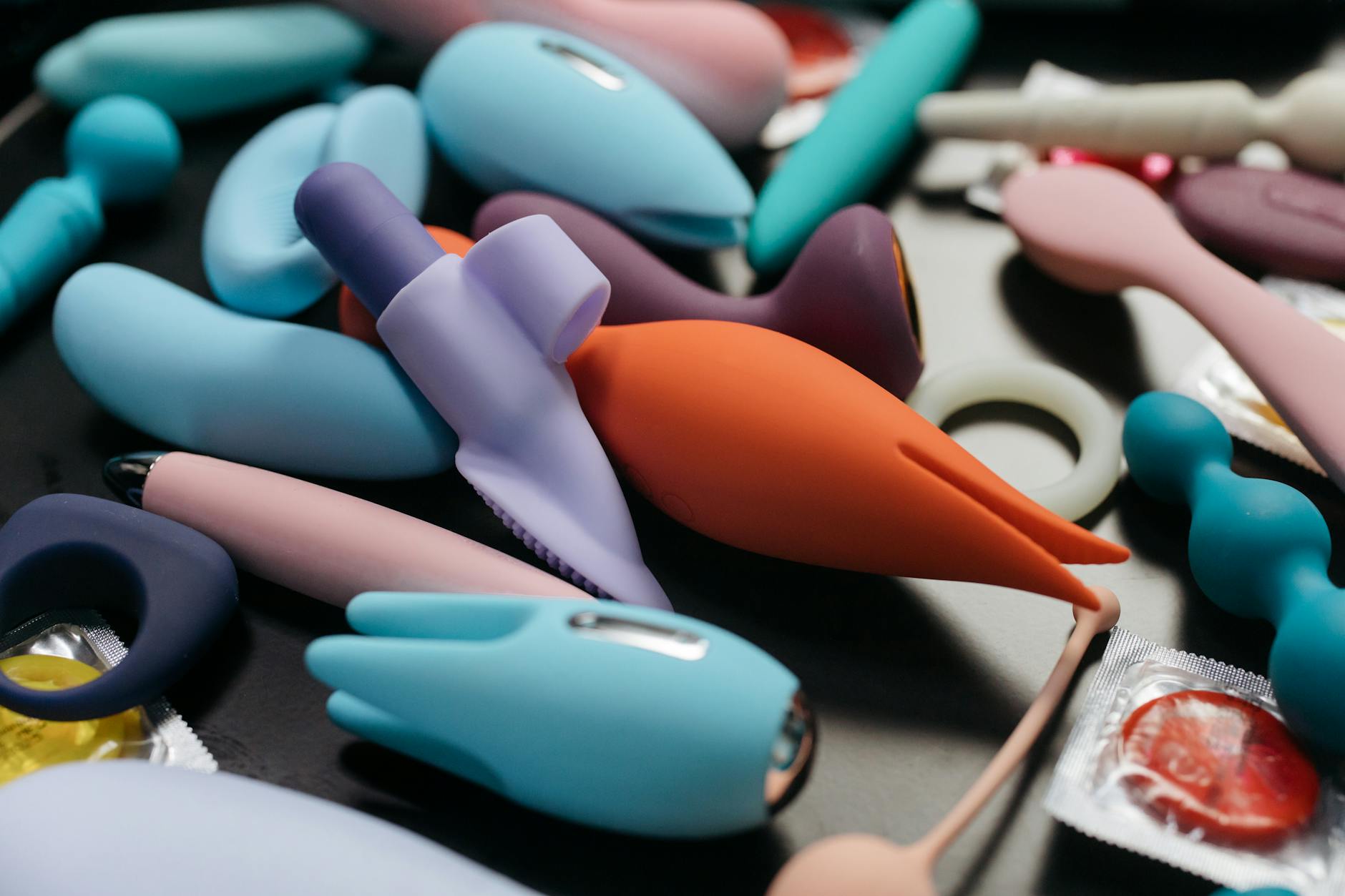
Let's talk about what pelvic floor injury actually steals
It's not just physical sensation that goes missing after pelvic floor injury. It's confidence. It's the ability to feel like yourself. For most people, pleasure becomes this distant thing they're terrified to reach for, not because the mechanics are impossible, but because nobody tells them it's safe to try.
Here's the thing: your pelvic floor is a group of muscles, and like any injured muscle group, it needs careful, intentional rehab. But rehab doesn't mean you wait in a void for six months. It means you move thoughtfully, with tools designed for sensitivity, and with permission to rebuild pleasure at your own pace. A lemon clitoral vibrator is one of the best tools for this because of how it works: suction-based stimulation bypasses direct friction and engages the clitoral complex in a way that feels safe, controlled, and almost always restorative.
Why air-suction vibrators are different during recovery
Most clitoral vibrators work through vibration or rotation, which requires the tissue underneath to respond with force. After pelvic floor injury, that can feel like trying to lift something with an injured shoulder. Air-suction technology, which a lemon vibrator uses, works differently. Instead of asking your body to respond to vibration, suction gently draws tissue into the head, stimulating the clitoral nerves without pressure or friction.
This matters because your pelvic floor isn't separate from your sexual response. It's integral to arousal, orgasm, and the overall sensation you feel. When it's injured, direct vibration can either feel painful or paradoxically numb. Suction bypasses that entirely. You get stimulation without impact. Sensation without strain.
The timeline that actually works
If you're cleared by your physical therapist or gynecologist to begin gentle sexual activity again, here's a realistic framework for reintroducing a lemon vibrator.
Weeks 1-2: Observation without expectation. Use the lemon vibrator on the lowest setting for 3-5 minutes, with plenty of lubrication. Don't aim for orgasm. The goal is noticing sensation without judgment. Does it feel good? Does it feel numb? Does it create any pain? All of this information matters. If pain appears, stop immediately. Pain is a stop sign, not something to push through.
Weeks 3-4: Longer, still gentle. Extend to 10 minutes if it feels good. You can move up to setting 2 if setting 1 starts feeling predictable. Still using lubrication. Still no performance pressure. Many people notice sensation beginning to return during this phase. That's not pleasure yet. That's your nervous system waking up.
Weeks 5-6: Exploring rhythm and timing. Now you can start paying attention to what feels best. Is there a particular pattern that makes sensation sharper? Do you prefer consistent pressure or waves? A lemon vibrator has multiple settings and pulse patterns. This is when you experiment with those. You're not chasing orgasm. You're learning your body again.
Weeks 7+: Building toward arousal. If everything above has felt good, you can start using the lemon vibrator as part of foreplay or solo exploration. Use lubrication. Budget at least 20-30 minutes. Arousal takes longer after pelvic floor injury because your nervous system is still recalibrating. That's completely normal.
What lubrication actually does (and why it matters more now)
After pelvic floor injury, tissue is often thinner, more fragile, or just less resilient than before. Lubrication isn't optional. It's part of your recovery toolkit.
Water-based lubricant reduces friction and gives you a smoother, more forgiving experience. If you're using a silicone lemon vibrator, avoid silicone-based lubes, which can degrade the toy's surface. Stick to water-based or oil-based options. Reapply often. Don't wait for discomfort to signal you. Use more than you think you need.
Many people find that adding lubrication transforms the experience from uncomfortable to genuinely pleasurable. It's not a sign of failure. It's a sign you're being smart about recovery.
Communicating with a partner during this phase
If you're recovering alongside a partner, there's a conversation to have that isn't about the lemon vibrator itself. It's about what recovery means for both of you.
Your partner might feel guilty, protective, or unsure whether you even want their touch. You might feel vulnerable, disconnected, or anxious about whether pleasure will return. None of that gets better through silence.
What helps: naming the fact that pleasure is possible, just on a different timeline. Saying that using a lemon clitoral vibrator isn't a replacement for them, but a tool for you to rebuild sensation safely. Explaining that your nervous system needs time to learn that touch is safe again. This reframes recovery from "something is broken" to "we're rebuilding this together."
Many couples find that the partner watches the first time, not for arousal, but simply to understand what works and what doesn't. That presence can actually rebuild trust faster than isolation.
When sensations feel weirdly different
After pelvic floor injury, you might notice that sensation feels sharp in unexpected places, or numb in places that used to be sensitive. This is your nervous system rerouting. It's not permanent, but it's real while it's happening.
If sharp sensation appears, dial back intensity. If numbness lingers after weeks, mention it to your physical therapist. They can assess whether you need additional pelvic floor work or whether your nervous system simply needs more time. A lemon vibrator can help you track these changes. Use it consistently, and you'll notice when sensation begins normalizing.
The emotional recovery that happens alongside physical recovery
Here's what nobody talks about: the psychological piece of pelvic floor injury is often harder than the physical piece.
You might feel disconnected from your body. You might be afraid that pleasure is permanently gone. You might feel ashamed that something you used to do easily now requires tools and patience. Using a lemon vibrator isn't just about rebuilding sensation. It's about reclaiming agency. It's about saying to yourself, "My body still deserves pleasure, and I'm going to be gentle with it while it heals."
That act of care is profound. Start there, and the physical sensations often follow.
When to check in with your provider
If pain persists beyond the first few weeks of gentle use, or if numbness doesn't improve after 6-8 weeks, flag it with your pelvic floor physical therapist. Some people need additional manual therapy or neuromuscular retraining. That's not failure. That's part of the recovery process.
If you notice persistent tension or feel like you're tensing your pelvic floor during use, pause and do some breathing work first. Kegel exercises feel counterintuitive during recovery, but learning to relax your pelvic floor is often more important than strengthening it. Your therapist can guide you through that.
Based on where you are in recovery, how to use a lemon vibrator for pleasure when you have pelvic floor dysfunction covers longer-term maintenance once you're past the acute injury phase. If the injury came from childbirth, how lemon vibrators improve sensitivity after vaginal birth addresses that specific recovery pathway.
People also ask
How soon after pelvic floor injury can I use a vibrator?
Most gynecologists and physical therapists recommend waiting until you're cleared for penetrative activity before introducing any vibrator. That's typically 4-6 weeks after injury for mild tears, or longer for more significant damage. Check with your provider first. Once cleared, start with the lowest setting and gentlest touch. Your pelvic floor needs time to reorient to sensation. A lemon vibrator's suction-based design makes it gentler than traditional vibration during early recovery.
Will using a lemon vibrator help my pelvic floor heal faster?
No, but it supports the process. Sensation and arousal stimulate blood flow and neural activity, which can help recovery. But healing happens through rest, physical therapy, and time. A lemon clitoral vibrator during recovery is about rebuilding pleasure safely, not about speeding up the medical healing itself. Think of it as part of the overall recovery ecosystem, not as a treatment.
Can I orgasm while recovering from pelvic floor injury?
Sometimes, yes. Many people experience orgasms that feel different, flatter, or more internal during recovery. Some people don't orgasm for months. Both are normal. The goal early on isn't orgasm. It's sensation and pleasure without pain. If orgasm happens, great. If it doesn't, the lemon vibrator still serves its purpose as a tool for rebuilding confidence and intimacy.
What if the vibrator feels completely numb?
Numbness early in recovery is common. Your nervous system has been through trauma. Give it time. Start with longer sessions at lower intensity rather than cranking the power up. Many people find that the suction patterns on a lemon vibrator feel more noticeable than straight vibration when sensation is numb. If numbness persists after 8 weeks of consistent, gentle use, bring it up with your provider. You might need additional pelvic floor work.
Should I tell my partner I'm using a lemon vibrator during recovery?
Yes, but framed as a tool for your healing, not a commentary on your relationship. Something like, "My therapist suggested I ease back into sensation slowly. I'm using a vibrator to help my nervous system remember what pleasure feels like." Most partners feel relieved to know what's happening rather than wondering. It's also an invitation for them to be part of your recovery, not excluded from it.
Can I use a lemon vibrator if I also have a partner during recovery?
Absolutely. Many people use it solo first to rebuild comfort and sensation, then incorporate it into partnered play once they feel confident. Some people use it with a partner right away. There's no wrong sequence. The lemon vibrator works as a solo tool or as something you use together, depending on what feels safe and good.
Recovery isn't linear, but it's real
You're not imagining the changes in your body, and you're not broken for needing tools to rebuild what was lost. Pelvic floor injury is significant. It reshapes how your body functions and how it feels. Using a lemon vibrator during recovery is an act of self-respect. It says you deserve pleasure even while your body is healing. It says your sexuality matters enough to be intentional about.
Start gently, listen to what your body tells you, and give yourself permission to rebuild at your own pace. Pleasure returns. Sensation comes back. Confidence follows. All of it takes time, but none of it requires suffering.
If you're ready to begin recovery or have questions about what's right for your specific situation, reach out. You don't have to navigate this alone.